Richard Boone Movie Actor: A Look At A True Screen Original
When we think about the truly unforgettable faces and voices from classic Hollywood, the name Richard Boone movie actor really does come to mind. It's a name, you know, that carries a certain weight, a feeling of strength, much like the very meaning of "Richard" itself, which, as a male given name, means "brave ruler" or "hardy king," derived from old German elements. And, as a matter of fact, Richard Boone, in his many roles, more or less embodied that kind of powerful presence, whether he was playing the hero or, quite often, the villain.
He was, in a way, a master of intensity, someone who could command your attention with just a look or a quiet word. You might remember him from his iconic role as Paladin in the television series Have Gun – Will Travel, a character that, in some respects, defined a whole era of television westerns. But his work on the big screen, as a movie actor, is really where his incredible range and depth truly shone through. He brought a unique blend of ruggedness and a surprisingly thoughtful quality to every part he took on, which is that, well, it just made him stand out.
This article will take a little look at the life and amazing career of Richard Boone, the movie actor. We'll explore some of his most memorable film appearances, the distinctive acting style that made him so special, and the lasting impact he left on cinema. It's pretty clear, too, that his contributions continue to resonate with fans of classic films today, so there's much to appreciate about this remarkable performer.
Table of Contents
- Biography of Richard Boone
- Personal Details and Bio Data
- The Early Years and a Distinctive Start
- Becoming a Familiar Face on the Big Screen
- Paladin's Shadow and Movie Stardom
- A Master of the Method: Richard Boone's Acting Style
- Beyond the Western: Versatility in Film
- Lasting Impressions and a Legacy in Cinema
- Frequently Asked Questions About Richard Boone
- A Final Thought on a Screen Legend
Biography of Richard Boone
Richard Allen Boone was a performer who, you know, really made his mark in both television and film. Born in Los Angeles, California, in 1917, he grew up in a household with roots in various parts of the world, which is that, well, it perhaps gave him a broad perspective early on. His journey into acting wasn't exactly a straight path, as many creative lives aren't. He spent time in the United States Navy during World War II, serving on submarines, which, in a way, could have shaped his disciplined approach to his craft later on. After his service, he pursued his passion for performing, studying at the Actors Studio in New York City. This training, of course, was pretty important for developing the intense, believable characters he would become known for. He first found success on the stage, appearing in several Broadway productions, where he honed his skills and, you know, really started to get noticed. His stage work laid the groundwork for his eventual move to the screen, where he would leave an absolutely unforgettable impression on audiences everywhere. He was, in a way, a very dedicated student of his art.
Personal Details and Bio Data
Here's a quick look at some key facts about the remarkable Richard Boone movie actor:
| Detail | Information |
|---|---|
| Full Name | Richard Allen Boone |
| Date of Birth | June 18, 1917 |
| Place of Birth | Los Angeles, California, USA |
| Date of Death | January 10, 1981 |
| Place of Death | St. Augustine, Florida, USA |
| Occupation | Actor, Director |
| Years Active | 1949–1981 |
| Spouse(s) | Jane Hopper (m. 1937; div. 1940), Mimi Kelly (m. 1949; div. 1950), Claire McAloon (m. 1951) |
| Children | 1 (Peter Boone) |
The Early Years and a Distinctive Start
Richard Boone's entry into the acting world was, in some respects, quite a bit like many aspiring performers of his time. He was drawn to the stage, which, you know, was a common starting point for those who wanted to really learn their craft. His work on Broadway, as a matter of fact, included a notable role in the play "Medea" alongside Judith Anderson, which really helped him gain some early recognition. These stage experiences were absolutely crucial for him. They allowed him to develop that powerful stage presence and a voice that, well, it just had a unique, gravelly quality that would become his trademark. He wasn't, you know, your typical leading man with a polished look. Instead, he had a rugged, intense appearance and a voice that could convey both menace and a surprising amount of warmth, sometimes in the same sentence. This distinct combination set him apart very early on. It meant that even in his smaller roles, he tended to leave a very strong impression on anyone watching, which is that, it's a pretty special thing for an actor to achieve.
His move into film in the early 1950s was a natural progression, but he didn't, you know, immediately become a star. Instead, he worked steadily, taking on supporting roles that allowed him to showcase his range. These early film appearances were, in a way, like a training ground, helping him adapt his powerful stage presence for the camera. He often played villains, or characters with a tough exterior, which, you know, suited his natural demeanor. His performances, even in these smaller parts, were never forgettable. He brought a genuine intensity to every scene, making sure his characters felt real and layered, which is that, it's something audiences really respond to. This period of his career was pretty important for building the foundation of what would become a truly remarkable body of work, and you could, arguably, see the beginnings of his iconic screen persona forming during these years.
Becoming a Familiar Face on the Big Screen
As the 1950s progressed, Richard Boone movie actor started to become a truly familiar face in Hollywood productions. He appeared in a wide array of films, from westerns to war dramas, and even some film noirs. His ability to portray complex characters, often with a hint of danger or a troubled past, made him a sought-after character actor. He had a way of making even a brief appearance feel incredibly significant, which is that, it's a talent not every actor possesses. For example, his role in the 1953 western Pony Express showed his capacity for playing a tough, memorable figure. He wasn't always the hero, but he was always, in a way, a compelling presence on screen, and that's what truly mattered.
One of his earlier significant film roles was in the 1954 biblical epic The Robe, where he played the centurion Pontius Pilate. This role, you know, really allowed him to display a different side of his acting abilities, bringing a certain gravitas and moral conflict to the character. It was a departure from the more straightforward tough guys he often played, and it showed that he could handle dramatic depth with considerable skill. He was, in some respects, always looking for roles that would challenge him, which is that, it's something that really comes through in his diverse filmography. His performances during this time were often praised for their raw power and authenticity, and he was, basically, building a reputation as an actor who could always deliver a strong performance, no matter the size of the part.
His presence in films like Away All Boats (1956) and Lizzie (1957) further cemented his status as a versatile and reliable performer. He had a unique ability to convey a lot with very little, often using just his eyes or a subtle shift in his posture to communicate a character's inner turmoil. This kind of understated power was, arguably, one of his greatest strengths. He never seemed to overact; instead, he brought a quiet intensity to his roles that made them feel incredibly real. This period was pretty important for him, as it really established him as a consistent and impactful presence in American cinema, which, you know, prepared him for even bigger things to come, particularly in television.
Paladin's Shadow and Movie Stardom
While Richard Boone was steadily building his film career, it was his starring role as Paladin in the television series Have Gun – Will Travel (1957-1963) that, you know, really made him a household name. Paladin, a cultured, intellectual gunfighter for hire, became an absolute icon. The show was incredibly popular, and it showcased Boone's ability to play a character with many layers – a man of violence who also appreciated the finer things in life. This role, in some respects, cast a long shadow, making him instantly recognizable to millions. However, even during his time on the show, Richard Boone movie actor continued to take on film roles, demonstrating his commitment to the big screen, which is that, it's pretty impressive given his demanding TV schedule.
His film work during and immediately after Have Gun – Will Travel was, arguably, some of his most memorable. He appeared in the classic western The Alamo (1960), playing General Sam Houston. This role, of course, put him alongside other major stars and allowed him to bring his distinctive intensity to a historical figure. He had a way of making historical characters feel very much alive, which is that, it's a testament to his acting prowess. He was, in a way, a very natural fit for the epic scale of such a film, and his performance really stood out. His portrayal of Houston was, you know, both commanding and nuanced, adding depth to the historical narrative, and it showed that he could hold his own in grand productions.
Another truly significant film from this period was Hombre (1967), where he played the villain, Grimes, opposite Paul Newman. This western is, in some respects, considered a classic, and Boone's performance as the ruthless antagonist is often highlighted as one of the film's strongest elements. He brought a chilling realism to the character, making Grimes truly menacing without resorting to caricature. It's pretty clear that he had a knack for playing bad guys who were, somehow, still fascinating to watch. His ability to convey pure malevolence with just a subtle shift in his expression was, you know, quite remarkable. This role, basically, solidified his reputation as one of Hollywood's most effective and believable villains, and it's a performance that, arguably, stays with you long after the credits roll. Learn more about on our site, and you can also find information about his other roles on this page .
A Master of the Method: Richard Boone's Acting Style
Richard Boone's acting style was, in a way, deeply rooted in the Method acting tradition, which he learned at the Actors Studio. This approach emphasized drawing on personal experiences and emotions to create truly authentic performances. He wasn't just reciting lines; he was, basically, living the character in the moment. This commitment to realism meant that his performances often felt raw, intense, and incredibly believable. He had a naturalistic quality that made his characters feel like real people, which is that, it's something audiences truly appreciate. He brought a genuine grit to his roles, whether he was playing a cowboy, a soldier, or a criminal, and this made his portrayals very compelling to watch.
His voice was, arguably, one of his most distinctive assets. It was a deep, resonant voice with a unique rasp that could convey a wide range of emotions. He could deliver a line with a quiet menace that sent shivers down your spine, or with a surprising tenderness that showed a character's vulnerability. This vocal control was, you know, a very powerful tool in his acting arsenal. He used it to great effect, adding layers to his characters that went beyond the written dialogue. He also had a very expressive face, capable of conveying complex thoughts and feelings with just a subtle change in expression. This combination of vocal prowess and facial expressiveness made him a truly captivating presence on screen, which is that, it's a skill that really sets certain actors apart.
He was known for his commanding presence, which, you know, filled the screen whether he was the lead or a supporting player. He had a way of owning a scene, even when he wasn't speaking, just by his sheer intensity. This commanding aura made him particularly effective in roles where he played figures of authority or characters who were, in some respects, in control of a situation. But he could also play vulnerability and weakness with equal conviction, which, arguably, made his characters feel more human and less like simple archetypes. His acting was never one-note; it was always full of nuances and complexities, which is that, it's why his performances continue to be studied and admired by film enthusiasts today. He was, truly, a very dedicated craftsman of his art.
Beyond the Western: Versatility in Film
While Richard Boone movie actor is often associated with westerns, thanks to his iconic role as Paladin and his many film appearances in the genre, his filmography actually shows a much broader range. He wasn't, you know, limited to just one type of character or story. He demonstrated a remarkable versatility throughout his career, taking on roles in various genres and proving his ability to adapt his powerful acting style to different settings. This willingness to explore diverse roles is, in some respects, a hallmark of a truly dedicated actor, and it really showcases his commitment to his craft.
For instance, he appeared in the chilling horror film The Arrangement (1969), directed by Elia Kazan, where he played a complex and troubled character. This role allowed him to delve into psychological drama, showcasing a different kind of intensity than his western roles. He also starred in the crime thriller Madigan (1968) alongside Henry Fonda, playing a police captain. This role, of course, highlighted his ability to portray figures of authority with a grounded realism, which is that, it's something he did very well. He brought a sense of weariness and integrity to the part, making the character feel very authentic.
He even ventured into science fiction with films like The Omega Man (1971), where he played the leader of a cult of mutated humans opposite Charlton Heston. This role, you know, was a complete departure from his usual fare, and he embraced it with his characteristic intensity, creating a memorable antagonist. His ability to make even fantastical characters feel believable was, arguably, one of his unique talents. And, of course, he returned to westerns with films like Big Jake (1971), again with John Wayne, where he played another formidable villain. His later career also included roles in television movies and miniseries, where he continued to deliver strong, impactful performances. It's pretty clear that he was an actor who was always willing to stretch himself, and that's why his body of work remains so interesting to explore. He was, basically, a very adaptable performer.
Lasting Impressions and a Legacy in Cinema
Richard Boone movie actor left an absolutely indelible mark on Hollywood. His passing in 1981 was, you know, a loss for the film world, but his performances continue to resonate with audiences today. He was more than just a character actor; he was a true original, someone whose presence on screen was always captivating, regardless of the role he played. His ability to embody both strength and vulnerability, often within the same character, made him a truly compelling performer. He had a way of making even the most villainous characters feel, in some respects, human, which is that, it's a testament to his nuanced approach to acting.
His legacy is, arguably, defined by his powerful screen presence, his distinctive voice, and his commitment to authentic performances. He influenced countless actors who came after him, showing them the power of bringing depth and complexity to every role, no matter how small. His work, particularly in westerns, helped to shape the genre, bringing a new level of psychological realism to its characters. He was, basically, a pioneer in that regard, pushing the boundaries of what a western character could be. Fans today still seek out his films and television appearances, drawn to his unique intensity and the sheer believability of his portrayals, which is that, it's a pretty strong indication of his lasting appeal.
Richard Boone's career stands as a testament to the power of a truly dedicated actor. He wasn't always the leading man in the traditional sense, but he was always, in a way, the most interesting person on screen. His contributions to film and television are, you know, pretty significant, and he remains a beloved figure for those who appreciate classic cinema. His performances remind us that sometimes the most memorable characters are the ones who are the most complex, the ones who defy easy categorization. He was, truly, a very special talent, and his work continues to be celebrated, even now, in the year 2024. For more information on his extensive filmography, you might want to check out his page on IMDb.
Frequently Asked Questions About Richard Boone
Was Richard Boone a method actor?
Yes, he was, as a matter of fact, a method actor. Richard Boone studied at the renowned Actors Studio in New York City, which is that, it's a place very much associated with the Method acting technique. This approach, you know, emphasizes drawing on personal experiences and emotions to create very authentic and deeply felt performances, and it really shaped his distinctive style on screen.
What was Richard Boone's most famous role?
His most famous role was, arguably, Paladin in the television series Have Gun – Will Travel. This character, you know, became an absolute icon of the western genre, and it's the role for which he is most widely recognized. However, his work as a Richard Boone movie actor also includes many memorable performances that are highly regarded by film enthusiasts, so there's much more to explore beyond Paladin.
Did Richard Boone sing in any of his roles?
While primarily known for his acting, Richard Boone did, in some respects, have a musical side. He actually released an album of folk songs in 1959 titled "Richard Boone Sings." So, yes, he did sing, though it wasn't a central part of his acting career. It just goes to show, you know, that he had a few different talents beyond his powerful screen presence.
A Final Thought on a Screen Legend
Richard Boone movie actor was, in a way, a force of nature on screen. His career spanned decades, and he consistently delivered performances that were, you know, full of power and authenticity. He had a unique ability to make every character, whether good or bad, feel incredibly real and complex. His contributions to both film and television are, basically, immense, and he remains a truly fascinating figure in the history of American entertainment. His work, even today, offers so much to appreciate, from his early tough-guy roles to his iconic Paladin, and then his later, more nuanced film performances. He was, very truly, a master of his craft.
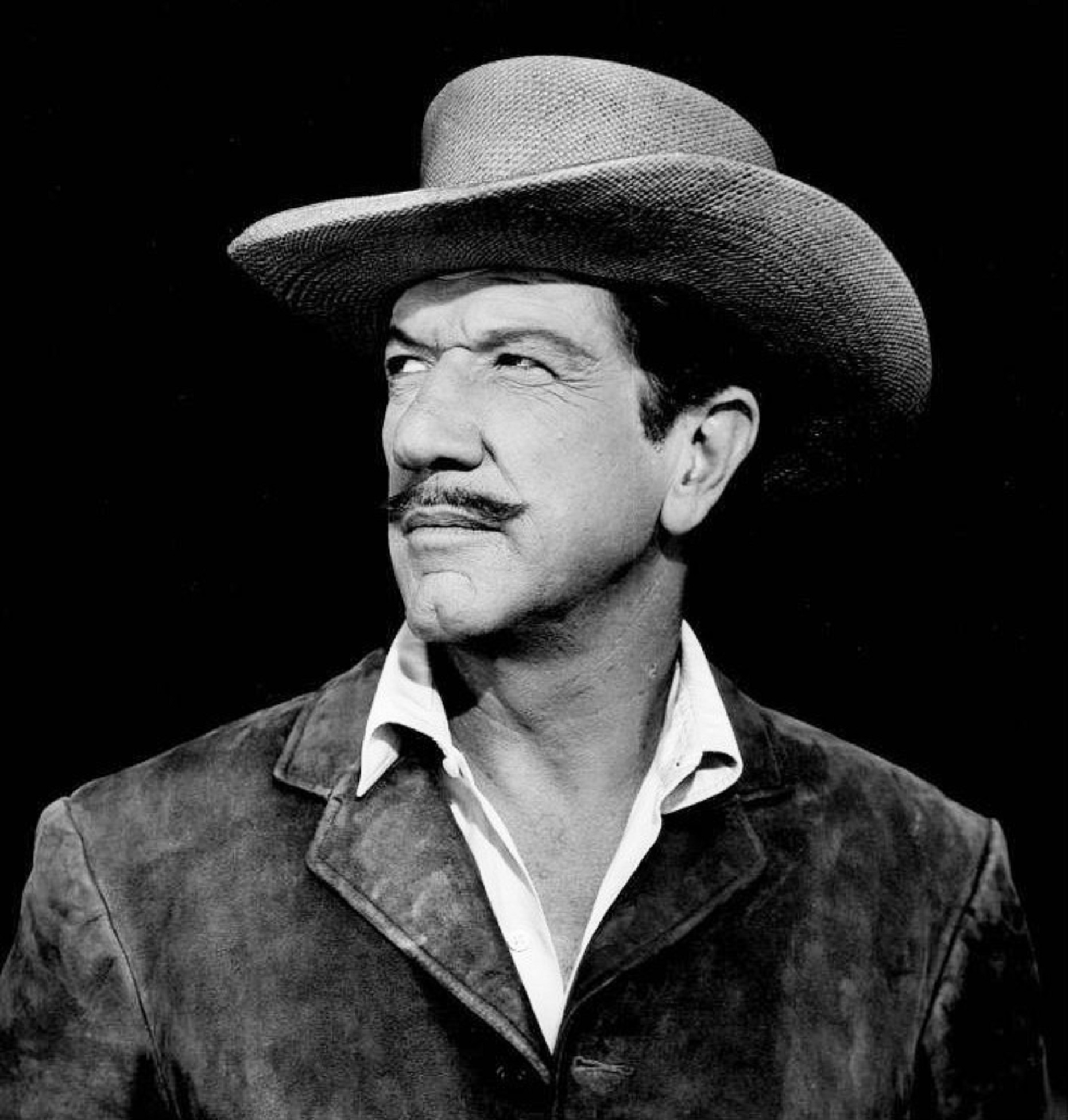
Free Images - richard boone actor television 0

Richard Boone – My Favorite Westerns
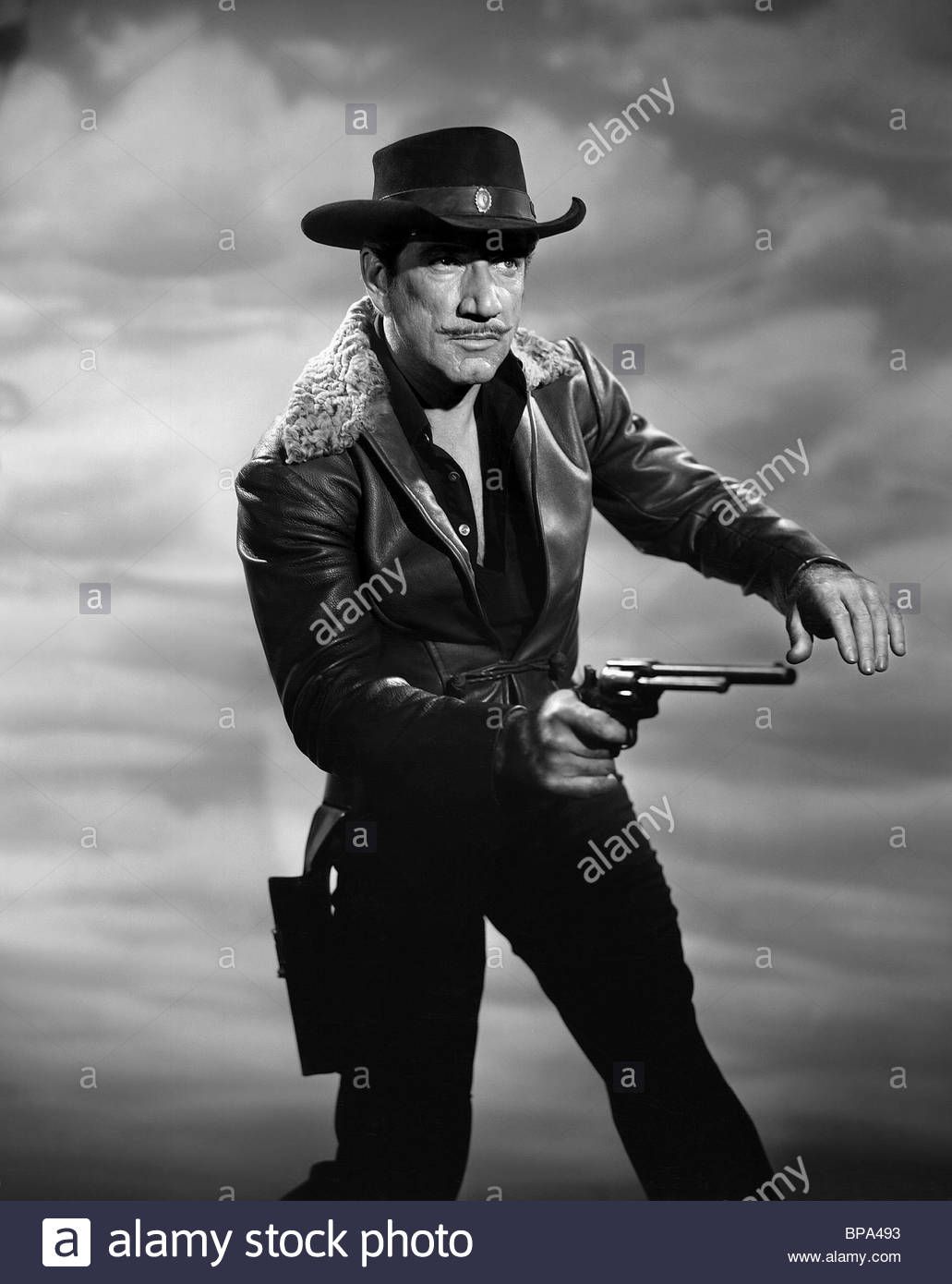
Pictures of Richard Boone
