Producer John Singleton: Unpacking His Enduring Film Influence
Have you ever wondered about the people who truly bring a movie to life, not just the ones who call "action," but those who make sure the whole big show can even happen? It's a fascinating question, and one that leads us straight to figures like producer John Singleton, a name that resonates deeply in cinema history. He was, in a way, someone who understood the entire process, from getting an idea going to making sure people could actually see the finished work.
We often hear about directors, and that's fair, as they shape the creative vision, but a producer, as my text explains, is the person who typically manages all the logistics and the business side of filmmaking. This role is really quite big, covering everything from the very start of a project right through to its distribution and release. It’s a job that requires a broad view, and honestly, a lot of dedication to see things through. So, understanding what a producer does helps us appreciate the full scope of a filmmaker's contributions.
John Singleton, you see, was more than just a director; he was also a producer, and this dual role allowed him a truly comprehensive involvement in his films. His ability to oversee projects from their initial spark to their final showing made him a truly significant figure. It’s a bit like, you know, being the person who not only designs the house but also makes sure all the building materials are there and that the construction crew stays on track. He was, in fact, a creative force and a logistical anchor, shaping stories that really made a difference.
Table of Contents
- John Singleton: A Look at His Life
- The Producer's Role in Film
- John Singleton's Producer Hat
- The Impact of Boyz n the Hood
- Other Notable Works and His Creative Reach
- His Lasting Legacy
- Frequently Asked Questions About John Singleton
John Singleton: A Look at His Life
John Daniel Singleton, a truly influential American film director, screenwriter, and producer, was born on January 6, 1968. He came from South Los Angeles, a place that, in some respects, really shaped the stories he chose to tell. His films often looked at city life and the tensions between different groups of people, particularly those related to race. He passed away after suffering a stroke, which was a great loss to the film world, but his work, apparently, lives on.
Personal Details and Bio Data
| Full Name | John Daniel Singleton |
| Born | January 6, 1968 |
| Birthplace | Los Angeles, California, USA |
| Died | April 29, 2019 |
| Occupation | Film Director, Screenwriter, Producer |
| Known For | Directing "Boyz n the Hood" (1991) |
The Producer's Role in Film
When we talk about what a producer does, it's really quite a lot. My text tells us that a producer typically manages the logistics and the business operations of making a film. This is very different from the director, who usually makes the creative choices during the actual filming. However, it's worth noting that some directors, like John Singleton, also take on the producer role for their own films, giving them a much wider hand in the entire project, which is pretty cool.
A producer, in essence, is the one who gets a project off the ground. They oversee it from the very first creative ideas all the way through to its distribution and when it's finally released to the public. This means they are involved in getting the money, hiring the right people, managing the budget, and making sure everything runs smoothly. It's a job that, you know, requires a lot of big-picture thinking and problem-solving every single day.
My text further explains that a producer is "one that produces," or "one that grows agricultural products or manufactures crude materials into articles of use." While this definition comes from a broader sense of the word, it still applies to film. A film producer, in a way, manufactures a story into a finished product for people to see. They make things happen, and they are, basically, key to even the smallest projects, as my text points out.
Sometimes, a big TV show, for example, might have several assistant producers. The head producer or the executive producer might give these assistants certain duties. This could include things like supervising the costume teams or the makeup teams, which, you know, shows how many different parts there are to a production. It's a layered job, and each person plays a part in getting the film or show made, which is actually quite complex.
John Singleton's Producer Hat
John Singleton was not just known for his directing; he was also a producer. This meant he had a hand in more than just telling the actors what to do or deciding how a scene should look. He was involved in the bigger picture, making sure his visions could actually become reality. This dual role gave him a special kind of control and influence over his projects, allowing him to shape them from the ground up, which is very much what a producer does.
When you consider his major films, like "Boyz n the Hood," "Poetic Justice," and "Higher Learning," his producer credit means he was likely involved in the initial stages, getting the funding, and assembling the team. He was, you know, making sure the resources were there to tell the stories he wanted to share. This level of involvement is pretty typical for someone who wants to keep a strong creative voice throughout the entire production process, and he certainly had a strong voice.
His work as a producer probably extended to managing the practical sides of things, like dealing with the schedule, the budget, and the various people involved in making a movie. This is a huge part of being a producer. It’s about making sure the creative flow isn't stopped by practical problems, which can be, quite frankly, a really tough job. He had to be someone who could handle both the artistic and the business demands, and that’s a very specific skill set.
For someone like John Singleton, whose films often carried powerful social messages, having control as a producer was probably even more important. It allowed him to protect the integrity of his stories and make sure they were told authentically. This kind of hands-on involvement, from the first spark of an idea to the final cut, is what truly defines a comprehensive filmmaker, and he was certainly one of those, you know, truly dedicated people.
The Impact of Boyz n the Hood
John Singleton gained his biggest fame for directing "Boyz n the Hood" in 1991. This film, as my text highlights, was his directorial debut, and it really made a splash. It was a groundbreaking movie that, in a way, changed how Black lives were shown on screen. It gave a raw, honest look at growing up in South Central L.A., and it resonated with so many people, which is pretty amazing when you think about it.
The film showed audiences the struggles and realities of life in the community, featuring characters like Tre Styles, Doughboy, and Ricky Baker. It explored themes of friendship, family, and the ever-present dangers of violence. This was, you know, a very important story to tell, and Singleton told it with a lot of heart and authenticity. The success of "Boyz n the Hood" really put him on the map as a filmmaker with something important to say, and he certainly had a way with words and images.
As a producer on "Boyz n the Hood," Singleton was likely instrumental in getting the project funded and ensuring it stayed true to his vision. My text states he was a director, screenwriter, and producer for the film. This means he was deeply involved in every aspect, from writing the script to overseeing the production and making sure the final product was exactly what he intended. This kind of comprehensive control is, in fact, what allowed the film to have such a powerful and lasting impact, even today.
The movie, with its cast including Ice Cube, Cuba Gooding Jr., and Morris Chestnut, became a cultural touchstone. It sparked important conversations about race, poverty, and systemic issues. Its influence, honestly, can still be felt in cinema and popular culture. It's a testament to his vision and his ability to bring such a significant story to life, which, you know, takes a lot of skill and perseverance.
Other Notable Works and His Creative Reach
Beyond "Boyz n the Hood," John Singleton continued to create films that explored complex social issues and entertained audiences. His other works included "Poetic Justice" from 1993, starring Janet Jackson and Tupac Shakur. This film, my text describes, follows a grieving hairdresser named Justice who goes on a road trip from South Central L.A. to Oakland on a mail truck, alongside her friend and an obnoxious postal worker. It’s a story that, you know, mixes personal pain with a journey of discovery.
He also directed "Higher Learning" in 1995, which looked at college life and racial tensions on campus. Then there was "Shaft" in 2000, a remake starring Samuel L. Jackson, and "2 Fast 2 Furious" in 2003, which was a big action hit. These films, you know, show his range as a director and his ability to work across different genres while often still touching on themes of identity and urban experiences. He could, apparently, do a lot of different kinds of movies.
His creative reach also extended to television. He was a creator of the TV series "Snowfall," which, as my text notes, looks at the early days of the crack cocaine epidemic in Los Angeles during the beginning of the 1980s. This show, which was created by Eric Amadio, Dave Andron, and John Singleton, continued his tradition of telling stories rooted in his native South Los Angeles. The cast members, including Michael Hyatt and Carter Hudson, have reflected on his legacy at the season six premiere, showing how much he meant to them, which is really quite something.
My text also mentions his work with actors like Tyrese Gibson, Taraji P. Henson, Omar Gooding, and Tamara Bass. This shows his knack for bringing out strong performances and working with talented people. His ability to work with a diverse group of actors and tell a variety of stories, from intense dramas to action-packed thrillers, really shows his versatility. He was, in a way, a master storyteller across many different platforms.
His Lasting Legacy
John Singleton's impact on film is, you know, truly significant. He was a pioneer who opened doors and changed perceptions, especially regarding how Black lives were shown on screen. His films gave voice to experiences that were often ignored or misrepresented in mainstream cinema. He was, in fact, a crucial figure in bringing authentic stories from his community to a wider audience, and that's a very big deal.
His work continues to be studied and celebrated today. Filmmakers and audiences still look to his movies for inspiration and insight. The way he combined compelling storytelling with social commentary made his films powerful and enduring. He had a way of making you think while also keeping you totally gripped by the narrative, which is pretty rare, if you ask me.
The fact that he was a producer as well as a director meant he had an even greater hand in shaping his creative output. He was able to shepherd his projects from start to finish, ensuring his unique vision was preserved. This comprehensive approach allowed him to make a profound mark on the industry, leaving behind a body of work that will, you know, continue to influence generations of storytellers. His contributions are, simply put, unforgettable.
His attendance at events like the American Black Film Festival Honors, as mentioned in my text, shows his continued connection to the community and his peers. He was a respected voice, someone who championed diverse narratives and supported other artists. His influence, honestly, goes beyond just the films he made; it extends to the cultural conversations he started and the pathways he helped create for others. You can learn more about film production on our site, and perhaps explore other groundbreaking directors who shaped cinema.
Frequently Asked Questions About John Singleton
Here are some common questions people often have about John Singleton:
What is John Singleton best known for?
John Singleton is best known for directing his debut film, "Boyz n the Hood," which came out in 1991. This movie, in a way, really changed how Black lives were shown in cinema and earned him widespread recognition, which is pretty cool.
What other films did John Singleton direct?
Besides "Boyz n the Hood," John Singleton directed several other notable films. These include "Poetic Justice" (1993), "Higher Learning" (1995), "Shaft" (2000), and "2 Fast 2 Furious" (2003). He also co-created the TV series "Snowfall," which is, you know, a big deal for television.
What did John Singleton contribute to filmmaking as a producer?
As a producer, John Singleton was involved in the business and logistical sides of filmmaking, from getting projects off the ground to overseeing their distribution. This allowed him to maintain significant creative control over his films, ensuring his visions were fully realized. He was, in fact, a key figure in making sure his stories got told just the way he wanted them.

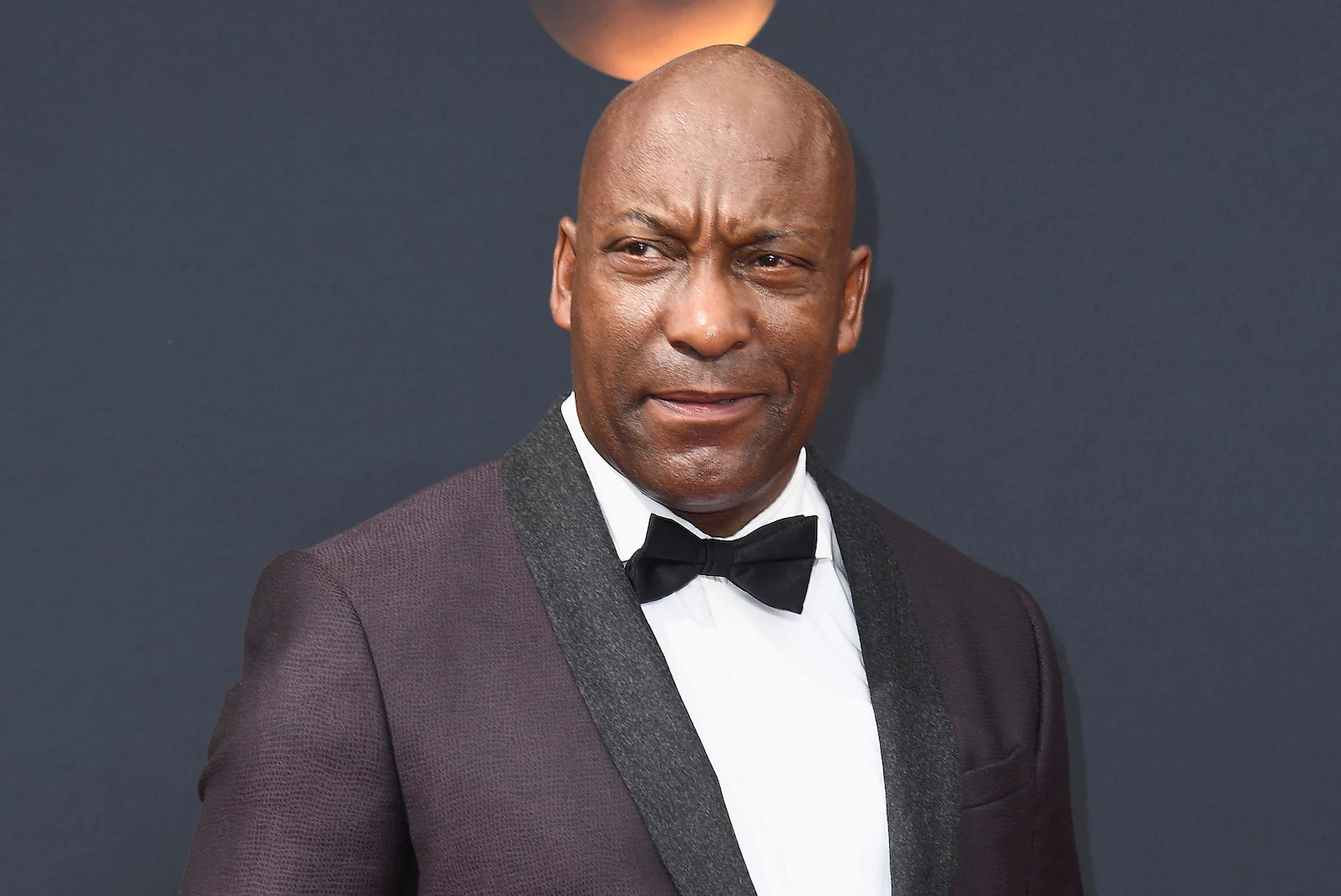
American Film Director John Singleton - Photo by Michael Grecco

John Singleton
John Singleton News
