Americas Most Wanted: John's Essential Guide To Exploring The Continents
Have you ever stopped to truly think about the Americas? It's a vast, incredible stretch of land, isn't it? From the icy northern reaches to the sun-drenched southern tip, these continents hold so much to discover. For someone like John, or really, anyone with a curious spirit, understanding this immense part of our world becomes a bit of a quest, a journey to uncover what makes the Americas so utterly captivating. So, we're going to take a little trip together, exploring the most sought-after insights into this incredible landmass, helping you grasp its true scope and charm.
It's almost like a puzzle, you know, trying to piece together all the different ways people talk about "America" or "the Americas." Is it one big continent, or two, or even more? Well, as a matter of fact, it's a bit of both, depending on where you stand and who you're talking to. This region, often simply called "America" in Spanish, truly represents a significant chunk of the Western Hemisphere, and it's just waiting for you to learn more about its fascinating details.
Our goal here is to give you a really good handle on what the Americas are all about, touching on their geography, their various regions, and some interesting ways the name pops up. It’s pretty amazing, honestly, how much diversity is packed into this one area. We'll look at the big picture, and then zoom in on some of the key parts, giving you a solid foundation for any future explorations, whether they're on a map or in real life. You'll find it quite helpful, I think.
Table of Contents
Understanding the Americas: A John's Eye View
So, if you're like John, and you're curious about what makes the Americas tick, you're in for a treat. This isn't just about lines on a map; it's about a living, breathing part of our world that has so much to tell us. We're going to break down some of the most important things to grasp, giving you a clearer picture of this enormous and diverse region. It's really quite something when you get into the details, you know?
Defining the Americas: More Than Just Two Landmasses
When we talk about "the Americas," it's not always as straightforward as you might think. For instance, in parts of Europe and Latin America, "America" is often thought of as a single, huge continent. This is a pretty important distinction, isn't it? Within that view, North America and South America are seen as major regions or sub-continents that belong to this one grand landmass. It's a different way of looking at things, but it makes a lot of sense when you consider the continuous land connection.
Then there's the idea of cultural regions, which is also very interesting. Latin America, for example, is a huge cultural area that includes everything from North America south of the Rio Grande, all the way down through the islands of the West Indies, and every single country in South America. This cultural grouping really highlights shared histories and languages, which is pretty neat. It shows how culture can draw lines that are different from purely geographic ones, you know?
The Americas are, in essence, all the lands that make up the Western Hemisphere. They are, quite simply, lands of the Western Hemisphere, composed of numerous entities and regions that people define in various ways, whether it's by their geography, their politics, or their culture. So, when you hear "the Americas," it's a broad term that covers a lot of ground, both literally and figuratively. It's honestly quite a fascinating topic to explore, how these definitions shift and change.
This huge landmass is also known as "America" in Spanish, which again points to that idea of a single, unified continent. It's Earth’s second largest continent, after Asia, which is a pretty big deal when you think about it. This means it takes up a truly substantial portion of the Western Hemisphere, stretching out incredibly far across the globe. So, it's not just a couple of land bits; it's a massive, sprawling area that holds so much life and history, you know?
The Immense Scale: From Pole to Pole
Imagine a place that stretches from the very top of the world, near the North Pole, all the way down to the chilly southern tip of Argentina and Chile. That's the Americas for you. It's a truly incredible span, going from the northern reaches of Greenland, which is pretty far up there, right, down to the very bottom of South America. This means you can find almost every kind of climate and landscape imaginable within its borders.
This immense area, often referred to collectively as "America" in a broader sense, really does encompass all the lands of the western hemisphere. We're talking about everything from the frozen expanses of the Canadian Arctic, where it's incredibly cold and vast, to the lush, warm rainforests of the Amazon, which are teeming with life, and then all the way to the windswept plains of Patagonia, which are just stunningly beautiful. It's a truly diverse collection of environments, isn't it?
To give you a sense of just how big this place is, the Americas cover about 8% of Earth's total surface area. That's a huge chunk of our planet! And if you just look at the land, it makes up an even more impressive 28.4% of Earth's entire land area. So, it's not just big; it's absolutely enormous, taking up nearly a third of all the dry land we have. It’s pretty astounding, honestly, how much space it occupies.
This learning journey we're on, exploring the Americas, really highlights a region that includes more than forty different countries. These countries span from Canada in the north, which is a massive place itself, all the way down to Chile in the south, which is a long, narrow country along the coast. The sheer number of distinct nations within this one geographical area is quite remarkable, showing just how rich and varied it is. It's a lot to take in, but in a good way, you know?
Mapping the Diversity: Countries, Cities, and Features
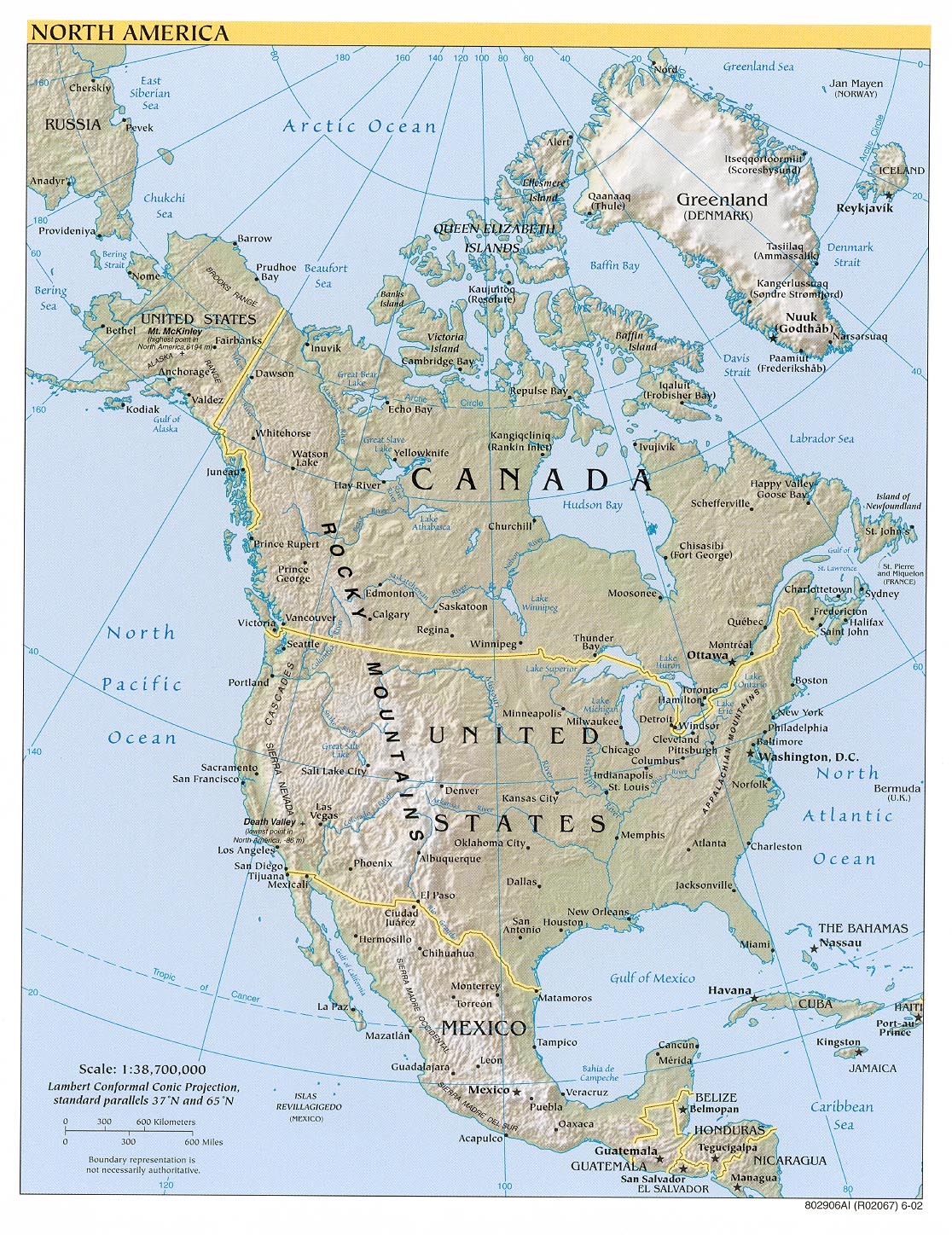
When you're trying to get a handle on a place as big as the Americas, maps become your best friend, really. Detailed maps of North and South America let you discover all the different countries, the many cities, and those truly unique geographic features that make each spot special. It's like having a guide to all the hidden gems and major landmarks, which is super helpful. You can spend hours just looking at them, honestly.
Each map you look at might highlight different areas, perhaps in a bright red, and they often give you handy population and area statistics. This detailed breakdown helps you understand not just where things are, but also how many people live there and how much space they take up. It's a very practical way to visualize the information, giving you a clearer picture of the scale of things. So, maps are pretty crucial for this kind of exploration, wouldn't you say?
This huge region includes all of North America, which is pretty big, right, and Central America, which is that narrow bridge of land, and then all of South America. It's a complete package, if you will, encompassing so many different climates and cultures. You can find everything from towering mountains to vast plains, from deserts to rainforests, all within this one massive landmass. It's quite the natural wonder, honestly, the variety you can find.
Specifically, when we talk about North America, we're including Canada, the United States, Mexico, all of Central America, and the Caribbean islands. That's a lot of ground, isn't it? Each of these areas has its own distinct feel, its own history, and its own unique charm. It's a fascinating collection of places, offering so much to see and learn about. You could spend a lifetime exploring just these parts, to be honest.
If you're looking for all the important details about the Americas and its different countries, including their geography, history, economy, and more, you'll find a wealth of information available. It's like a treasure trove for anyone who wants to truly understand this part of the world. There’s so much depth to uncover, and every country has its own story, which is pretty cool. You can just check here for all those facts, it's really quite comprehensive. Learn more about the geography of continents on our site.
Cultural and Geographic Divisions: A Closer Look
The Americas, often simply called "America," are, in essence, lands of the Western Hemisphere. They are defined in many ways, sometimes by geography, sometimes by politics, and sometimes by culture. This means there isn't just one single way to categorize everything, which can be a bit confusing but also really interesting. It’s like different lenses through which you can view the same huge place, you know?
We often talk about North America and South America as the two main continents within this larger concept. They are the primary landmasses that make up the Americas, along with their associated islands. These two continents, together with their islands, cover that impressive 8.3% of the Earth's total surface area, and a significant 28.4% of its land area. It’s pretty clear they form a massive and connected system, isn't it?
In parts of Europe and Latin America, as we touched on earlier, "America" is indeed considered to be a single continent. Within this framework, North America and South America are simply seen as major regions of that one big continent. This perspective really highlights the shared geological and historical connections that link these lands. It’s a very cohesive way to think about them, to be honest.
The Americas, or "America" as they're sometimes called, are also known as the "New World." This historical term really speaks to the period of exploration and discovery, when these lands became known to European explorers. It’s a name that carries a lot of history and significance, marking a major shift in global understanding. So, when you hear "New World," it's referring to this vast, incredible place, you know?
Beyond Geography: Other Americas You Might Encounter
As John might discover on his quest to understand the Americas, the name "America" pops up in all sorts of places, not just on maps. For instance, there's America's Auto Auction, which has locations across the country. They handle all sorts of vehicle sales, including dealer wholesale, inoperable cars, salvage vehicles, specialty vehicles, heavy trucks and equipment, and even government and public sales. It’s a big operation, really, showing how the name is used in commerce.
Then you have places like Libertas Academy Americas High School. This school's Libertas Academy program gives students a really cool opportunity to focus on a career in law, government, and public administration. It's a specialized program, offering a unique pathway for young people, and it uses "Americas" right there in its name, which is pretty interesting. It suggests a focus on the broader context of governance, you know?
If you're into events, you might know about the Circuit of the Americas, often called COTA. This is a famous venue where you can check the COTA calendar and never miss an event. They host all sorts of upcoming events, and you can reserve your tickets right there. It’s a place for entertainment and gatherings, showing another way the name "Americas" is used in a specific, well-known context. It's a very popular spot, apparently.
And let's not forget about America's Best, a place where you can buy two pairs of prescription eyeglasses for a really good price, and even get a free eye exam. You can find an America's Best location near you pretty easily. This shows how the name is used in everyday services, providing something important for people across the country. It’s just another example of how widespread the name "America" is in different businesses and services, you know?
Frequently Asked Questions About The Americas
People often have questions about the Americas, which is completely understandable given how vast and varied they are. Here are a few common ones that John, or anyone else, might ask:
1. What are the main cultural regions of the Americas?
Well, in a way, the Americas can be roughly divided into two major cultural regions. There's Latin America, which includes everything from North America south of the Rio Grande, the islands of the West Indies, and all of South America. Then there's the rest of North America, which has its own distinct cultural identity. So, it's a pretty clear split in some respects, culturally speaking.
2. How big are the Americas compared to other continents?
The Americas are actually Earth’s second largest continent, right after Asia. They cover about 8% of Earth's total surface area, and a significant 28.4% of its total land area. So, they are incredibly vast, taking up a huge portion of the planet's dry land. It's a really substantial part of the world, you know?
3. Are North and South America considered one continent?
Interestingly, in parts of Europe and Latin America, "America" is indeed considered to be a single continent. Within this view, North America and South America are seen as major regions within that one larger continent. However, in other places, they are often treated as two separate continents. So, it really depends on the perspective you're taking, which is pretty fascinating, to be honest.
Planning a trip to the Americas, or just want to know more about this amazing part of the world? Explore detailed maps of north and south America to discover countries, cities, and unique geographic features. You can also link to this page for a comprehensive travel guide.
So, as we've seen, the Americas are a truly remarkable collection of lands, incredibly diverse in their geography, culture, and even how they're defined. From the icy poles to the steamy rainforests, and from ancient civilizations to bustling modern cities, there's just so much to take in. It’s honestly a region that keeps on giving, offering endless opportunities for learning and discovery. John's quest, or anyone's quest really, to understand this place is a journey well worth taking, because it truly broadens your view of our amazing world.

Dekolonisierung Amerikas – Wikipedia
.svg/220px-Americas_(orthographic_projection).svg.png)
ᱟᱢᱮᱨᱤᱠᱟ - ᱣᱤᱠᱤᱯᱤᱰᱤᱭᱟ
Κορδιλιέρα - Βικιπαίδεια
