Kazim Saher: Exploring The Melodies Of Pashto
When you think about music that truly connects with a culture, you might find yourself thinking about artists who embody the spirit of their people. Kazim Saher is, in a way, one such artist, very much a significant figure whose voice has, you know, resonated deeply within the Pashto-speaking communities for quite some time. His artistry offers a beautiful window into the traditions and feelings that shape a vibrant heritage. This discussion will, you see, help us understand more about him, his background, and the way his music continues to touch many hearts.
There's something quite special about music that carries the weight of history and the joy of everyday life. Kazim Saher, you know, has managed to capture just that in his songs. His work is not merely entertainment; it's a reflection, in some respects, of the Pashtun identity and the rich tapestry of their customs. We'll explore how his unique sound has, well, made him a beloved name and why his contributions are, arguably, so important to the musical landscape of the region.
For those interested in the sounds of Central and South Asia, or perhaps just curious about voices that tell a story, Kazim Saher presents, more or less, a compelling listen. We'll look at the journey he has taken, the kinds of songs he performs, and how his artistry fits into the broader picture of Pashto culture. It’s, you know, a chance to get to know an artist who truly represents his roots through his work, which is pretty cool.
Table of Contents
- Biography of Kazim Saher
- Personal Details and Bio Data
- The Musical Journey
- A Deep Connection to Pashto Language and Culture
- His Artistic Style and Impact
- The Enduring Appeal of His Music
- Frequently Asked Questions About Kazim Saher
Biography of Kazim Saher
Kazim Saher's story, you know, is one that speaks to dedication and a deep love for his cultural roots. He has, apparently, spent many years perfecting his craft, becoming a voice that many Pashtun people recognize and cherish. His beginnings, like many artists, were probably humble, but his talent, very much, shone through quite early on. He started, you see, to gain notice for his distinct way of singing, which, in a way, brought traditional Pashto melodies to a wider audience.
Over time, Kazim Saher built, more or less, a reputation as a singer who understood the soul of Pashto poetry and music. He has, typically, been known for his ability to convey strong feelings through his vocal performances. This quality, you know, made him stand out in a crowded field of musicians. His path, you might say, has been one of consistent effort, leading him to become, arguably, a significant figure in the music scene.
His work has, in fact, often been celebrated for its authenticity. He does not just sing words; he, you know, seems to bring them to life with every note. This approach has, basically, earned him a loyal following who appreciate his commitment to preserving and, in some respects, evolving the traditional sounds. He is, you know, a living example of how music can keep cultural heritage alive and thriving for new generations, which is pretty amazing.
Personal Details and Bio Data
| Full Name | Kazim Saher |
| Profession | Singer, Musician |
| Primary Language of Performance | Pashto |
| Genre | Pashto Folk, Traditional, and Contemporary Music |
| Nationality | Often associated with Afghanistan/Pakistan due to Pashtun heritage |
| Notable For | His unique vocal style and contributions to Pashto music |
The Musical Journey
The path Kazim Saher took in music, you know, is quite interesting. He didn't just appear overnight; his journey has, you know, involved a gradual rise, built on genuine talent and a real connection to his art. From his early days, he, basically, showed a clear passion for singing, often drawing inspiration from the rich musical traditions around him. It's, you know, a story of an artist finding his voice and, in a way, his audience.
He started, in fact, performing in local gatherings, perhaps small events where people would come together to share stories and songs. These early experiences, you know, were crucial for him, helping him to refine his style and, you know, understand what truly resonated with listeners. It was, you see, a period of learning and growth, where he began to make his mark, little by little, on the local music scene.
As he gained more experience, Kazim Saher began to reach a wider audience. His songs, you know, started to be heard beyond his immediate community, often through recordings or, perhaps, radio broadcasts. This expansion, you know, helped him become a recognized name, someone whose music was, more or less, enjoyed by many. His journey shows, in a way, how persistence and a clear artistic vision can, you know, lead to lasting impact, which is pretty cool.
He has, basically, explored various aspects of Pashto music, from very old folk tunes to more modern compositions. This willingness to, you know, try different things has kept his music fresh and appealing to different generations. It's, you know, a testament to his versatility and his ongoing desire to, in some respects, keep his art evolving. His career is, arguably, a good example of an artist who stays true to his roots while also, you know, embracing new possibilities.
A Deep Connection to Pashto Language and Culture
Kazim Saher's music is, you know, very much intertwined with the Pashto language itself, which is, in fact, a powerful and historically rich form of communication. Originally spoken by the Pashtun people, Pashto became, as a matter of fact, the national language of Afghanistan in 1936. This language is, you know, spoken by more than 35 million people, most of whom, you see, reside in Afghanistan and Pakistan, which is quite a large number.
There are, you know, three main varieties of Pashto, with Western Pashto being the official language of Afghanistan. It's, basically, spoken by over 8 million people who are, you know, often called "Afghani" when referring to their language. Pashto is, in fact, one of the two official languages of Afghanistan, alongside Dari, so it's, you know, a really important part of the country's identity. Kazim Saher's songs, therefore, carry the weight and beauty of this significant language.
The language itself has, you know, multiple dialects, the main ones being the Western dialect, also known as Kandahari, and the Eastern dialect. Pashto is, in a way, a member of the Eastern Iranian languages group, spoken in Pakistan and Afghanistan, as well as by the Pashtun diaspora around the world. We have, you know, looked at the rich and powerful Pashto language, and it's clear why it's so important to the culture Kazim Saher represents.
This language has, you know, diverse dialects, is an official language in two countries, and is, in fact, widely spoken in Central Asia. It is, you know, one of the two main languages there, and it is, you know, also known as Afghani. Historically, the Pashto language is, you know, very much associated with the identity and narratives of the Pashtun people. Kazim Saher's music, therefore, serves as a living, breathing expression of this linguistic and cultural heritage, making his work, you know, quite profound.
His performances, you see, are not just about the melody; they are, in some respects, about the words, the stories, and the feelings embedded in the Pashto language. He, you know, helps to keep the language alive in a musical form, allowing new generations to connect with its beauty and history. It’s, you know, a way of passing down cultural knowledge and, in a way, strengthening community ties through song. This makes his contribution, arguably, very significant for the preservation of Pashto culture.
His Artistic Style and Impact
Kazim Saher's artistic style, you know, is often described as both traditional and, in some respects, very expressive. He has, basically, a way of singing that feels deeply personal, yet also, you know, connects with universal human feelings. His voice, you see, has a distinct quality that, you know, makes his performances memorable. He is, you know, able to convey a wide range of feelings, from joy to sadness, with great skill, which is pretty impressive.
He often uses, you know, traditional Pashto musical forms, but he also, you know, adds his own touch, making the songs feel fresh and relevant. This balance between honoring the past and, in a way, bringing something new to it is, arguably, a hallmark of his work. It allows his music to appeal to both older listeners who appreciate the classics and younger ones who are, you know, looking for something that feels more contemporary.
The impact of Kazim Saher's music, you know, goes beyond just entertainment. His songs have, in fact, become a part of the cultural fabric for many Pashtun communities around the world. They are, you know, played at celebrations, during quiet moments, and, you know, often serve as a source of comfort and pride. He has, you know, helped to keep Pashto music visible and, in some respects, celebrated on a broader stage.
His influence, you know, can be seen in the way other artists approach Pashto music. He has, basically, set a standard for vocal performance and, you know, for interpreting traditional texts with depth and feeling. Many aspiring singers, you know, look up to him as a role model. His work shows, in a way, that traditional music can, you know, still be very much alive and relevant in today's world, which is pretty inspiring.
The Enduring Appeal of His Music
The reason Kazim Saher's music continues to be popular, you know, lies in its timeless quality. His songs, you see, speak to feelings and experiences that are, in fact, common to many people, regardless of where they live. He sings about things like love, longing, the beauty of nature, and the strength of community, which are, you know, themes that resonate deeply with almost everyone.
His ability to connect with listeners on an emotional level is, arguably, a key part of his lasting appeal. When you listen to his voice, you, know, feel a sense of warmth and authenticity. It’s, in a way, like he is singing directly to you, sharing a piece of his heart and, in some respects, the heart of his culture. This personal touch, you know, makes his music very much cherished by his fans.
Moreover, his dedication to the Pashto language and its poetic traditions means his music also serves as a cultural anchor. For Pashtun people living far from their homeland, his songs can, you know, bring a piece of home to them, reminding them of their heritage and, in a way, keeping their cultural identity strong. This role as a cultural ambassador is, you know, very important and adds another layer to his enduring popularity.
Kazim Saher's work has, in fact, shown that traditional music can, you know, thrive and adapt without losing its essence. He has, basically, managed to keep his sound authentic while still, you know, reaching new audiences. This balance is, you know, a difficult one to strike, and his success in doing so is, arguably, a testament to his skill and vision. His music will, you know, likely continue to be loved for many years to come.
To learn more about Pashto music traditions on our site, and you can also link to this page here for more insights into regional artists.
Frequently Asked Questions About Kazim Saher
What kind of music does Kazim Saher sing?
Kazim Saher, you know, primarily sings Pashto music. This includes, you see, a mix of traditional folk songs, classical Pashto poetry set to music, and, in some respects, more contemporary pieces. His style often, you know, blends old and new sounds, making his work appealing to a wide range of listeners. He is, you know, known for his expressive vocal delivery, which brings a lot of feeling to the words he sings.
Where does Kazim Saher come from?
Kazim Saher is, you know, associated with the Pashtun people, who are, in fact, a large ethnic group mainly found in Afghanistan and Pakistan. While specific details about his exact birthplace might vary, his music, you see, is deeply rooted in the cultural and linguistic heritage of this region. He is, in a way, a voice for the Pashto-speaking communities, regardless of their specific geographic location.
Is Kazim Saher still making music?
Information on artists' current activities can, you know, change. However, Kazim Saher has, basically, maintained a presence in the Pashto music scene for a long time. Fans often, you know, look forward to new releases or performances from him. For the most up-to-date information on his current work, it's, you know, often best to check reputable music news sites or cultural archives dedicated to regional music, like this cultural archive that might track his contributions.

Sahil kazim
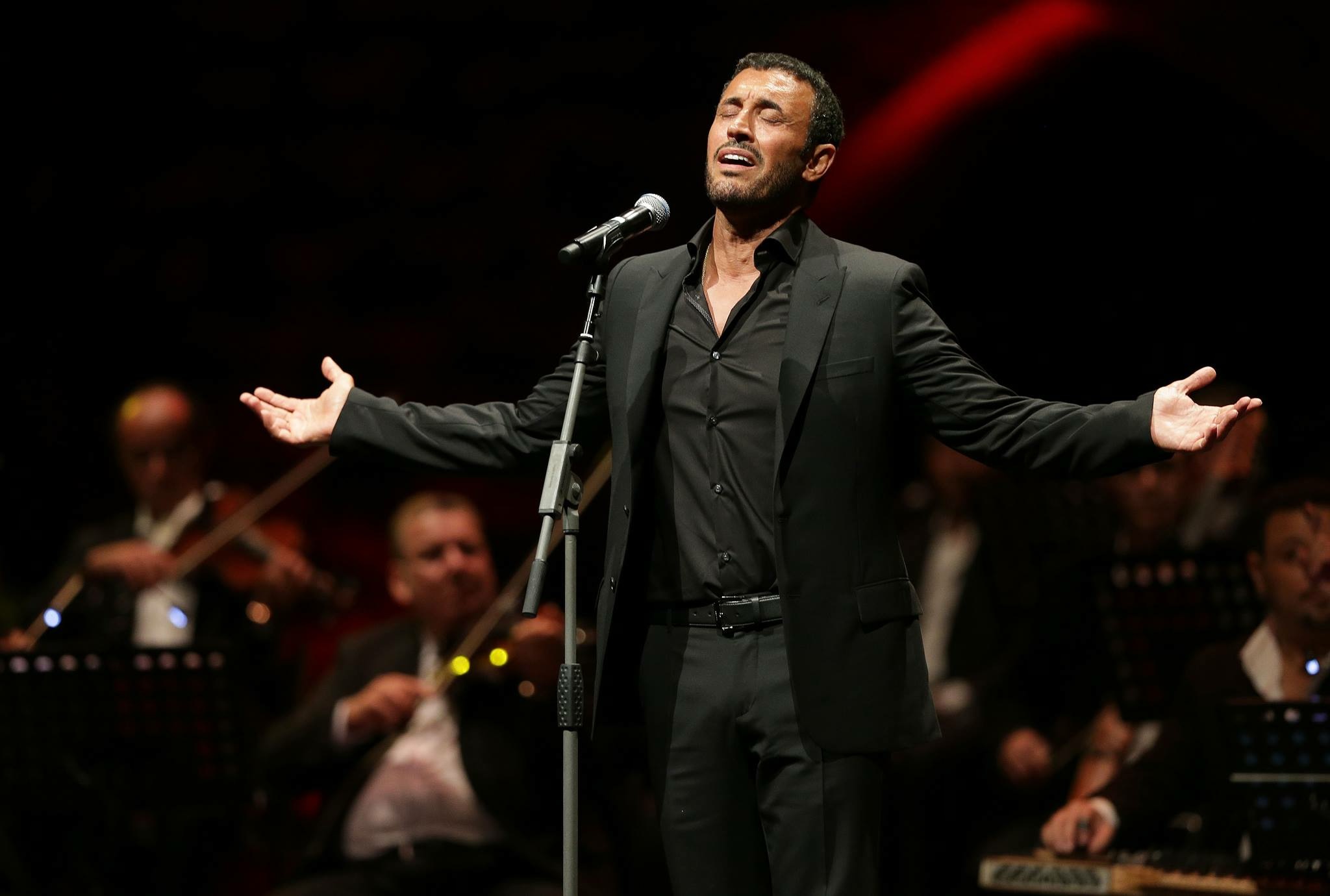
Why Kazim El Saher Is the Undisputed King of Romance

Can someone ID this Kazim el Saher (Kadim Saher) song for me? He
