Actor George Hamilton: What It Truly Means To Be A Performer
Have you ever paused to consider what truly goes into being an actor, like actor George Hamilton? It's more than just appearing on screen or stage; it's a deep commitment to a craft that shapes stories and connects with people. In some respects, an actor is someone who breathes life into words, transforming them into a living, breathing experience for us all to see and feel.
This unique ability to step into another's shoes, to embody a character, is really what makes the profession so fascinating. An actor uses their very being—their voice, their movements, their expressions—to transport an audience. It's about creating a believable, emotionally engaging portrayal, whether the character is real or imagined, and that's a pretty special skill.
So, what does it mean to be a performer who consistently captures attention, like actor George Hamilton? This article explores the core essence of acting, drawing from what it means to be someone who performs, someone who creates a world for us, and the lasting impact they have. We'll look at the fundamental elements that define an actor's work, which, you know, are pretty universal across the board.
Table of Contents
- The Essence of Being an Actor: What Does it Truly Mean?
- Bringing Characters to Life: The Actor's Tools
- The Actor's Stage: From Theatre to Screen
- The Art of Portrayal: Creating Believable Worlds
- The Enduring Impact of a Performer
- Frequently Asked Questions About Actors
The Essence of Being an Actor: What Does it Truly Mean?
At its core, the meaning of actor is quite simple: it's one that acts. But, you know, that simple definition opens up a whole universe of complexity and artistry. An actor is someone who performs, someone who takes on a role and brings it to life. This performance might happen in the traditional medium of the theatre, where every gesture and spoken word resonates directly with a live audience, or it could be for a camera, capturing every subtle nuance.
An actor, in essence, is a storyteller. They are the conduits through which narratives flow, making the abstract concrete and the distant immediate. Their primary job is to create a believable, emotionally engaging portrayal of a person, whether that person is real or entirely fictional. This isn't just about reciting lines; it's about understanding the character's motivations, their history, and their place in the story, which is, honestly, a lot of work.
Consider someone like actor George Hamilton; his presence, like any skilled performer, is a testament to this fundamental idea. He, as an actor, embodies the very definition of someone who acts, someone who steps into a part and makes it their own. It’s about more than just showing up; it’s about inhabiting a role fully, so the audience can truly connect with the story unfolding before them. This connection is, arguably, the true magic of acting.
The word "actor" indicates someone who portrays a character, and this portrayal requires a deep sense of empathy and observation. They must understand human behavior, the subtle ways people express themselves, and the big emotions that drive us. This understanding allows them to build a character from the ground up, making them feel authentic and relatable. It's a rather profound undertaking, if you think about it.
So, to be an actor is to be a vessel for stories, a living canvas upon which characters are painted. It means dedicating oneself to the craft of performance, always seeking to deepen one's understanding of human nature and the art of communication. This foundational understanding is, basically, the starting point for anyone who chooses this path, and it’s something every successful actor, including actor George Hamilton, inherently understands.
Bringing Characters to Life: The Actor's Tools
Actors are storytellers who use their body and voice as tools. These aren't just physical instruments; they are finely tuned means of expression that allow a performer to transport the audience into a different world. Every movement, every vocal inflection, every facial expression is part of a deliberate effort to convey a character's inner life and external circumstances. It's a very precise kind of work.
The voice, for instance, can convey a vast range of emotions, from a whisper of fear to a booming declaration of joy. An actor learns to control pitch, tone, volume, and rhythm to suit the character and the moment. They might alter their natural speaking patterns to embody someone older, younger, or from a different background. This vocal flexibility is, like, pretty essential for a convincing portrayal.
Similarly, the body is a powerful narrative device. An actor's posture, their gait, their gestures—all contribute to how a character is perceived. A slouched shoulder might indicate defeat, while a confident stride speaks of ambition. Performers often spend considerable time practicing physical movements to perfectly capture a character's physicality. It’s about making the body tell a story, even when words aren't spoken, and that's a skill that develops over time, you know?
Someone who pretends to be someone else while performing in a film, play, or television or radio show, relies heavily on these tools. They must convince us that they are this other person, not just themselves in costume. This requires a deep understanding of the character's motivations and feelings, allowing those emotions to flow through their physical and vocal expressions. It's about embodying, not just imitating, and that, frankly, takes a lot of practice.
For an actor like George Hamilton, mastering these tools means being able to fully inhabit a role, making it seem effortless. The ability to seamlessly shift between different characters, each with their own unique voice and physical presence, is a hallmark of a versatile performer. It's a continuous process of refinement, always seeking to make their portrayal more authentic and impactful. This dedication to their craft is, honestly, quite admirable.
The Actor's Stage: From Theatre to Screen
The term 'actor' refers to a person who performs in various forms of entertainment. This includes the traditional stage of the theatre, where the immediate feedback from a live audience shapes each performance. In theatre, an actor must sustain a character's energy and emotional arc for the entire duration of a play, typically without breaks or retakes. This continuous performance demands immense stamina and focus, which is, like your, a very different kind of challenge.
Beyond the theatre, actors bring characters to life in film, television, and radio. Each medium presents its own unique demands and opportunities. In film, for example, performances are often captured out of sequence, requiring an actor to jump between intense emotional scenes and lighter moments with little transition. The camera captures every subtle flicker of emotion, demanding a nuanced and often understated approach, so it's a bit different than stage acting.
Television offers a fast-paced environment, with tight schedules and often less rehearsal time. Actors might be working on multiple episodes simultaneously, needing to maintain consistency in their character's development over a longer narrative arc. This requires quick adaptability and a strong understanding of their character's journey. It’s, in a way, like running a marathon while also sprinting at times.
Even voice acting in video games or animation falls under the umbrella of an actor's work. Here, the performer relies solely on their voice to convey personality, emotion, and story, often without the benefit of visual cues or physical interaction. This specialized skill demands incredible vocal range and imaginative interpretation. It's a fascinating area of performance, to be honest.
An actor brings characters to life through their performances in these various forms of entertainment. For someone like actor George Hamilton, his career, like many enduring performers, has spanned multiple mediums, showcasing his adaptability and range. The ability to transition between the broad strokes of stage acting and the intimate nuances of screen performance is a mark of true versatility, and that's something pretty cool to see.
The Art of Portrayal: Creating Believable Worlds
At its core, an actor is someone who brings a character to life. Whether on stage or on screen, an actor’s primary job is to create a believable, emotionally engaging portrayal of a person, real or imagined. This isn't just about memorizing lines; it’s about understanding the character's inner world, their history, their desires, and their fears. This depth of understanding allows the actor to make the character feel authentic, which is, basically, what audiences crave.
To create a believable portrayal, an actor must often delve into research. They might study historical figures, observe people in everyday life, or read extensively about a particular era or profession. This preparation helps them build a comprehensive understanding of who their character is, allowing them to embody the role with conviction. It's a bit like being a detective, gathering clues to piece together a full picture.
Emotional engagement is another critical component. An actor must not only understand their character's emotions but also be able to convey them convincingly to the audience. This often involves tapping into their own emotional experiences or using specific techniques to evoke genuine feeling. The goal is to make the audience feel what the character feels, creating a powerful connection that transcends the screen or stage. This ability to connect on an emotional level is, arguably, what makes a performance truly memorable.
The process of creating a character is iterative and often collaborative. An actor works closely with directors, fellow cast members, and writers to refine their portrayal. They might experiment with different interpretations, trying out various ways to deliver a line or perform a scene until it feels just right. This collaborative spirit is, you know, a vital part of the creative process in the performing arts.
For an actor like George Hamilton, his work, like that of any respected performer, showcases this commitment to believable and emotionally resonant portrayals. The ability to consistently deliver performances that draw audiences in and make them care about the characters is a testament to the depth of his craft. It’s about making us forget we are watching a performance and instead, simply experiencing a story unfold, and that's a pretty neat trick.
The Enduring Impact of a Performer
An actor’s work extends beyond the immediate performance; it leaves a lasting impression on culture and individuals. When an actor brings a character to life, that character can become iconic, influencing fashion, language, and even societal norms. The impact of a compelling performance can resonate for years, even decades, shaping our collective memory of stories and eras. It’s a rather powerful influence, when you think about it.
The greatest actors of their generation, as some are heralded, achieve this level of impact. Their performances are not just entertaining; they are transformative, offering new perspectives or challenging existing ideas. An actor can become a top ten box office star, as was mentioned about some, not just because of their charisma, but because of their consistent ability to deliver performances that move and inspire people. This kind of influence is, basically, what many aspire to.
Moreover, actors are often recognized with numerous accolades, including awards that celebrate their outstanding contributions to their field. These honors acknowledge the dedication, skill, and artistry required to excel in such a demanding profession. They are a public recognition of the profound effect an actor's work has on audiences and the broader entertainment landscape. It's a way of saying, "You did something really special here," and that's pretty cool.
For actor George Hamilton, like any performer who has built a long and varied career, his presence in the public eye reminds us of the enduring nature of acting itself. The craft continues to evolve, yet the fundamental role of the actor—to tell stories, to entertain, and to provoke thought—remains constant. It’s about connecting with people on a human level, regardless of the changing times or technologies, and that, honestly, is a timeless endeavor.
The ability of an actor to transport an audience into a different world, to make them laugh, cry, or ponder, is a unique gift. It’s a craft that requires immense talent, hard work, and a deep understanding of human experience. This enduring appeal of performance ensures that the role of the actor will always be vital, continuing to shape our cultural narratives and provide us with endless hours of engagement. It’s a pretty amazing thing, really.
Frequently Asked Questions About Actors
People often have questions about what it truly means to be an actor. Here are a few common inquiries, answered with the essence of the craft in mind:
What makes a great actor?
A great actor, like actor George Hamilton, combines a deep understanding of human behavior with exceptional control over their body and voice. They can create a believable, emotionally engaging portrayal of a character, making the audience feel a genuine connection. It's about authenticity and the ability to truly inhabit a role, so, you know, it's not just about memorizing lines.
How do actors bring characters to life?
Actors bring characters to life by using their body and voice as tools to transport the audience into a different world. They research, observe, and practice to embody a character's physicality, vocal patterns, and emotional states. This meticulous work allows them to pretend to be someone else convincingly, creating a vivid and memorable portrayal, which is, honestly, a lot of dedication.
What is the role of an actor in a performance?
The role of an actor in a performance is to act, or to have a part, in a movie, television show, play, or radio show. They are storytellers who bring characters to life through their performances, whether in traditional theatre or modern media. Their primary job is to create a believable, emotionally engaging portrayal, ensuring the audience is fully immersed in the narrative. It's, basically, about making the story real for us.
To learn more about the art of acting and its rich history, you might explore resources like the Wikipedia page on Acting, which offers a broad overview of this fascinating profession. Learn more about actors on our site, and you can also link to this page here for more on the history of performance.
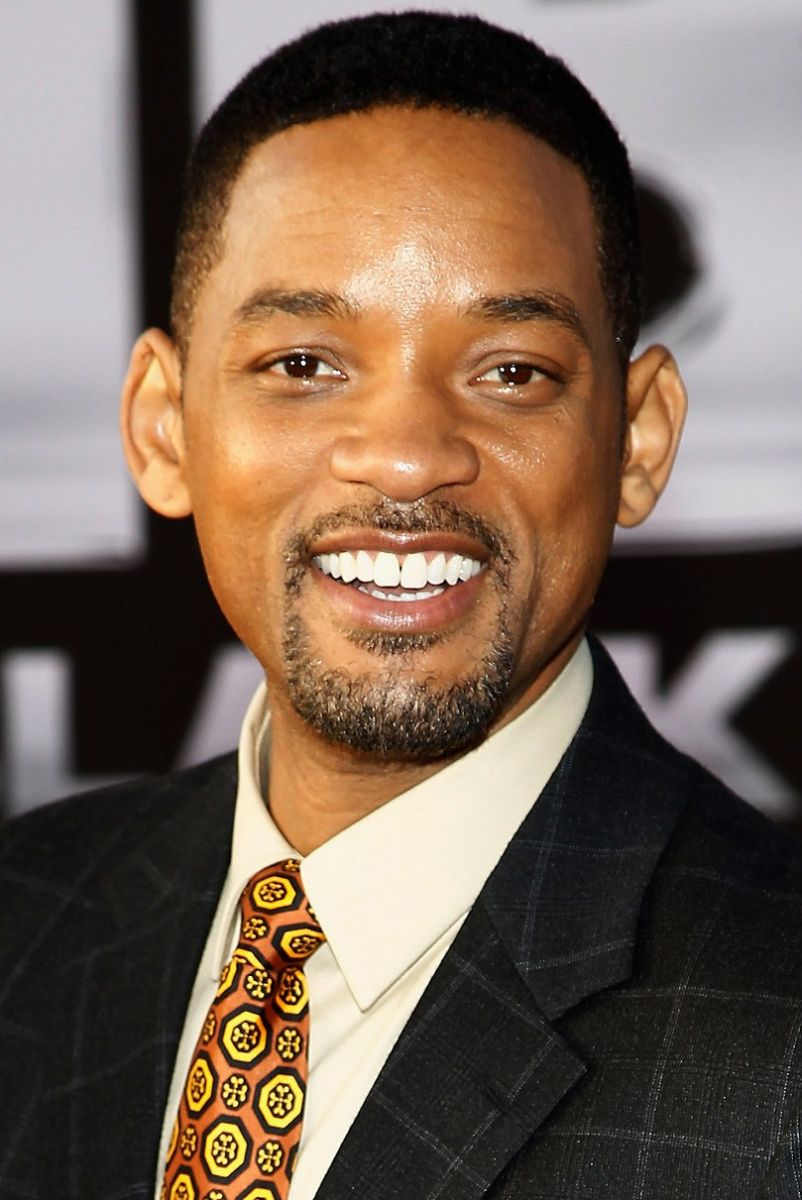
Hollywood Icons: Get to Know the 10 Most Popular Actors of the Era
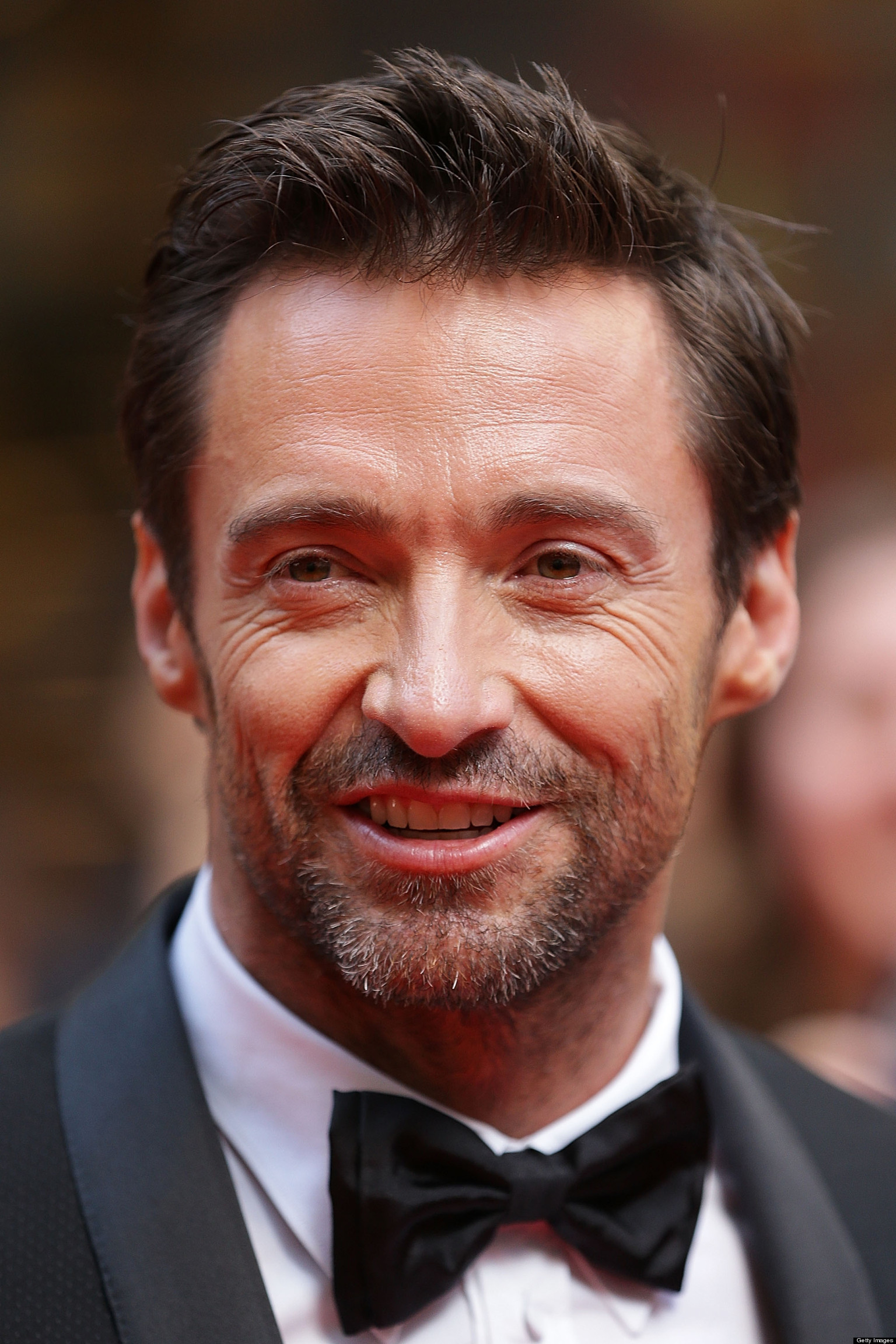
Best Actor, Golden Globes Musical Or Comedy: Hugh Jackman Wins Award
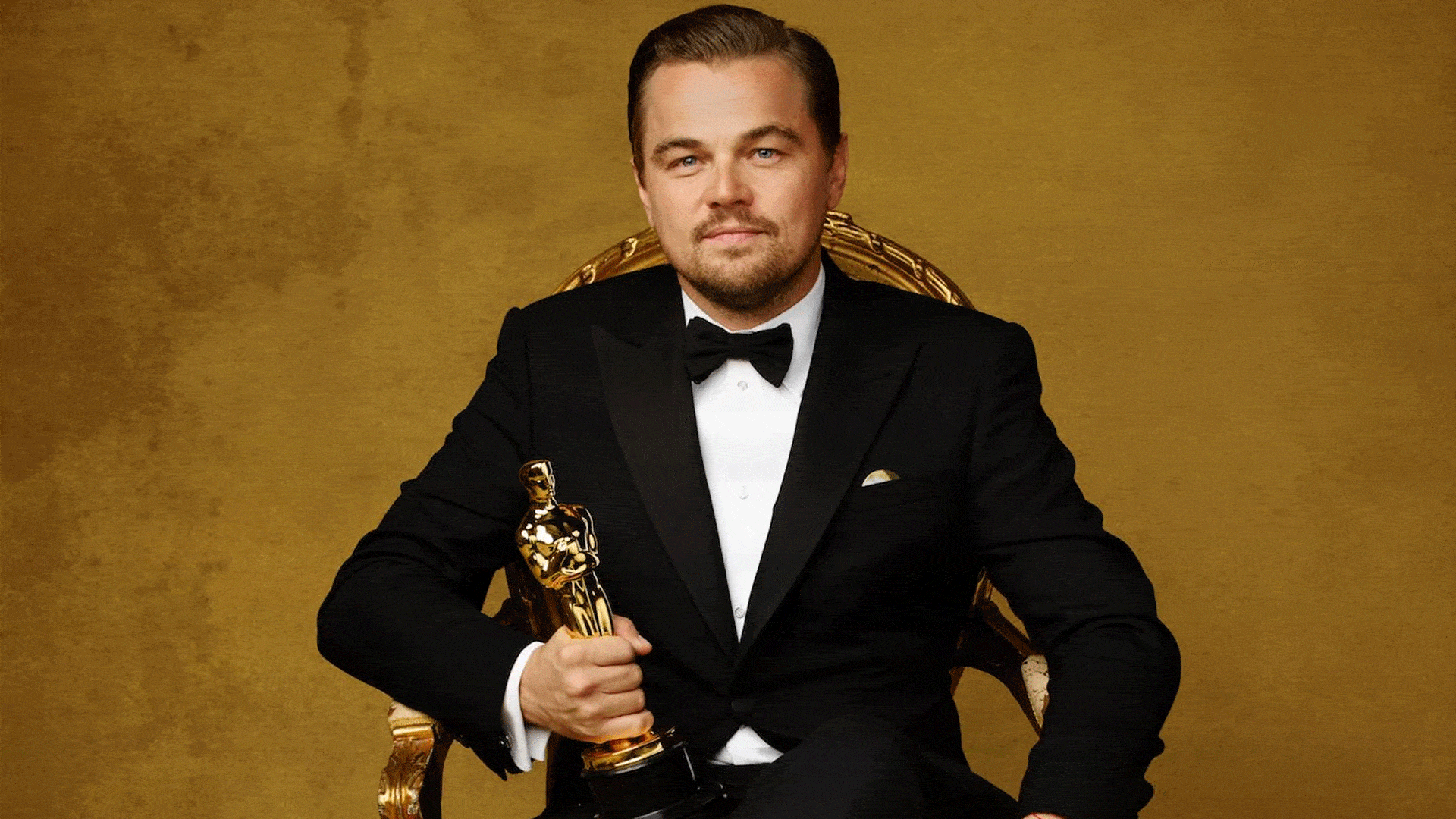
The Top 34 Best Actors of All Time, Ranked
