How Accurate Is Oppenheimer? A Look At Nolan's Riveting Film
When a big movie comes out, especially one about real people and big moments in history, people often wonder: how accurate is Oppenheimer? It's a natural question, isn't it? Christopher Nolan's film about J. Robert Oppenheimer, the person often called the "father of the atomic bomb," has certainly gotten a lot of attention. Just recently, it picked up a lot of awards, including Best Picture at the Oscars, which really shows how much people liked it. This film has been praised for how well it shows physicist J. Robert Oppenheimer, and for providing a good look into a very important time for science and the world, so it's a good idea to see just how close it stays to what actually happened.
Many folks, including nuclear engineers and historians, have shared their thoughts on how true to life the movie is. The buzz around "Oppenheimer" is that it's surprisingly true to what really happened, but there are a few places where it takes some creative freedom. This is pretty typical for movies that tell a true story, actually. They often need to change things just a little bit to make the story flow better or to make it more dramatic for viewers.
So, we're going to take a closer look at what the film gets right, and where it might have changed things a bit for the sake of the story. It’s quite interesting to compare the movie with the actual events, and you know, it helps us appreciate the story even more when we see how carefully it was put together, even with some small adjustments. This article will help you sort out the facts from the fiction in Nolan's powerful film, especially since people are still talking about it so much right now.
Table of Contents
- J. Robert Oppenheimer: A Brief Look
- The Film's Core Story and Its Accuracy
- Where the Movie Takes a Few Liberties
- Ethical and Moral Questions in the Film
- How the Film Handles Historical Figures
- Frequently Asked Questions About Oppenheimer's Accuracy
J. Robert Oppenheimer: A Brief Look
J. Robert Oppenheimer, the "father of the atomic bomb," had a life that was really quite something. The movie spends a good amount of time showing his personal journey, from his early days in school and his studies. It really tries to get into his head, showing him as a very smart person who was also a bit misunderstood for a long time. The film looks at his central part in the Manhattan Project, where he was the head of the Los Alamos laboratory, a very big job indeed.
He was a theoretical physicist, which means he thought about how the universe works at a very deep level. His life and work led to one of the most important scientific creations in history, and you know, it changed the world forever. The film really wants to show his story, and it does give us a good look at who he was, and what he went through. It's a pretty intense story, all things considered, and the movie tries to get it right.
Personal Details and Bio Data
| Full Name | Julius Robert Oppenheimer |
| Born | April 22, 1904 |
| Died | February 18, 1967 |
| Nationality | American |
| Known For | Theoretical physicist, "father of the atomic bomb," director of the Los Alamos Laboratory during the Manhattan Project |
| Education | Harvard University, University of Cambridge, University of Göttingen |
The Film's Core Story and Its Accuracy
The movie "Oppenheimer" really tries to stick to the historical facts, and it does a pretty good job of it for the most part. The main story of the film, which is about J. Robert Oppenheimer becoming the head of the Los Alamos laboratory and his big role in the Manhattan Project, is shown very close to how it happened. It gives a really insightful look into a very important time for science and for the whole world, actually. The film has been praised for how well it shows physicist J. Robert Oppenheimer, which is a big deal for a historical movie.
Many people, including those who study history and even a nuclear engineer who reviewed the film, have said that Christopher Nolan's "Oppenheimer" is surprisingly real. It gets a lot of the details right, and you can tell that a lot of care went into making sure the main events matched up with history. The movie really wants to make sure you understand Oppenheimer's central place in the whole project, and it seems to succeed there. This means that for the big picture, the film is pretty reliable.
It's interesting, because the film emphasizes being true to the history and giving proper context. This helps viewers get a better grasp of that very important period. The way it shows the development of the atomic bomb and its effects has been looked at by physicists, historians, and other experts. They've given their thoughts on what the movie shows, and generally, it seems to hold up well for the main events, which is pretty good.
Where the Movie Takes a Few Liberties
While "Oppenheimer" tries hard to stick to what really happened, it does take a few small freedoms with the historical record. This is pretty common for movies, you know, they often need to adjust things a little to make the story more compelling or to fit everything into a certain amount of time. For instance, Dorian Lynskey, who has looked at the film, points out that there are two key scenes where the movie moves away from what actually happened. These moments, while perhaps not perfectly true to life, help build the drama or clarify certain ideas for the audience.
One specific example that has been talked about is with Albert Einstein. The film has two scenes involving Einstein that are actually made up. They didn't happen exactly like that in real life. However, even with these invented moments, there's a deeper truth or accuracy that the film tries to get across. So, while the exact conversation might not have taken place, the feeling or the idea behind it could be quite real to the situation. It’s a way of showing something important without needing to stick to every single word that was said, or even if it was said at all.
Another area where some people have questioned the film's accuracy is in the discussions among the US top brass about how to drop the atomic bomb. One viewer, for example, felt that this part of the movie seemed very inaccurate. It's a tricky thing, because getting every detail of such high-level, secret discussions exactly right in a movie can be very hard, especially if records are not complete or if artistic license is taken to make the scene more impactful. So, while the film is praised for its overall faithfulness, these smaller details might be where it bends the truth a little for the story's sake.
Ethical and Moral Questions in the Film
The movie "Oppenheimer" really brings up some big questions about what's right and wrong, and the tough choices that Oppenheimer and his team faced. It tries to show how they dealt with the huge moral weight of creating something so powerful, a weapon that could change the world forever. The film does a good job of making you think about these very serious issues, and it shows the internal struggles of the people involved. It's not just about the science; it's about the human side of such a massive project, too, which is very important.
Professor Oliver, who has commented on the film, acknowledges that the conversations in the movie, the dialogue, might not be word-for-word what was said in real life. However, the film still manages to get across the true feeling of the ethical and moral dilemmas that Oppenheimer and his colleagues were up against. So, even if the exact words are not historically precise, the overall message about the heavy burden they carried is quite clear and probably very true to their experiences. This helps the audience connect with the characters on a deeper level.
The film aims to show the intricacies of the characters and the themes, and it does reveal the gaps that sometimes exist between the movie's portrayal and real life. But even with these small differences, the core questions about responsibility, the impact of scientific discovery, and the moral choices made during a time of war come through very strongly. It makes you wonder, you know, what would you do in such a situation? This is a very powerful part of the movie, and it makes you think long after you've seen it.
How the Film Handles Historical Figures
Christopher Nolan's "Oppenheimer" features a lot of real historical figures, and the movie generally tries to show them in a way that feels true to who they were. The film has been praised for its accurate depiction of physicist J. Robert Oppenheimer, which is, of course, the main point. But it also includes many other important people from that time, like Albert Einstein, and it tries to give them a real sense of being, too. It's a big task to bring so many real people to the screen, and the film does a pretty good job with it.
One interesting aspect is how the movie shows the various historical figures, and how close their on-screen versions are to the real people. Some portrayals are very, very close to what we know about them from history, while others might be a little bit different. For example, as mentioned earlier, some of the scenes with Albert Einstein are invented, but they serve a purpose in the story. This doesn't mean the film is totally making things up, but rather that it's using these characters to help tell a bigger story about the time and the ideas involved.
The movie really emphasizes the historical accuracy and context, providing an insightful glimpse into a critical period. So, while you might find small differences in how certain historical figures act or what they say compared to real life, the film's overall goal is to present a truthful picture of the events and the people involved. It's a powerful way to bring history to life, and it lets us see these important people in a new light, even if some parts are a bit adjusted for the movie. You can learn more about how historical figures are presented in film by checking out resources on historical adaptations, like those found at a reputable history website here.
Frequently Asked Questions About Oppenheimer's Accuracy
People often have a lot of questions about how true to life historical films like "Oppenheimer" actually are. Here are some common ones that come up when discussing the movie's accuracy.
Do you think the film accurately portrayed the ethical and moral dilemmas Oppenheimer and his team faced?
The movie certainly tries very hard to show the deep ethical and moral struggles that Oppenheimer and his team went through. It spends a good deal of time on their discussions and personal worries about creating such a powerful weapon. While the exact words in the dialogue might not be what was said, the film does seem to capture the true feeling of the immense moral weight they carried. It really makes you think about the responsibility that comes with scientific breakthroughs, you know, and the choices people have to make.
How historically accurate was the discussion among US top brass about dropping the atomic bomb in the movie?
This particular part of the film has been a point of discussion for some viewers. One person felt it was quite inaccurate. It’s hard to say for sure without being in those rooms, but historical films sometimes condense or slightly alter such high-level discussions to fit the narrative or to make a point more clearly. So, while the general idea of the discussion would be real, the specific details or exact wording might be adjusted for the film. It's a tricky area where movies often take a little creative freedom.
Which historical figures in Oppenheimer were depicted most accurately?
The film has been praised for its depiction of J. Robert Oppenheimer himself, with many saying Cillian Murphy gives a phenomenal performance that really gets to the heart of the person. Beyond Oppenheimer, the movie tries to portray many historical figures quite well. While some scenes, like those with Albert Einstein, are invented for the story, the overall aim is to show these people in a way that feels true to their historical roles and personalities. Experts, including a nuclear engineer, have reviewed the film and noted its surprising authenticity for many of the key figures, so it seems they did a good job overall. You can learn more about background checks and how accurate information is collected for various purposes on our site.
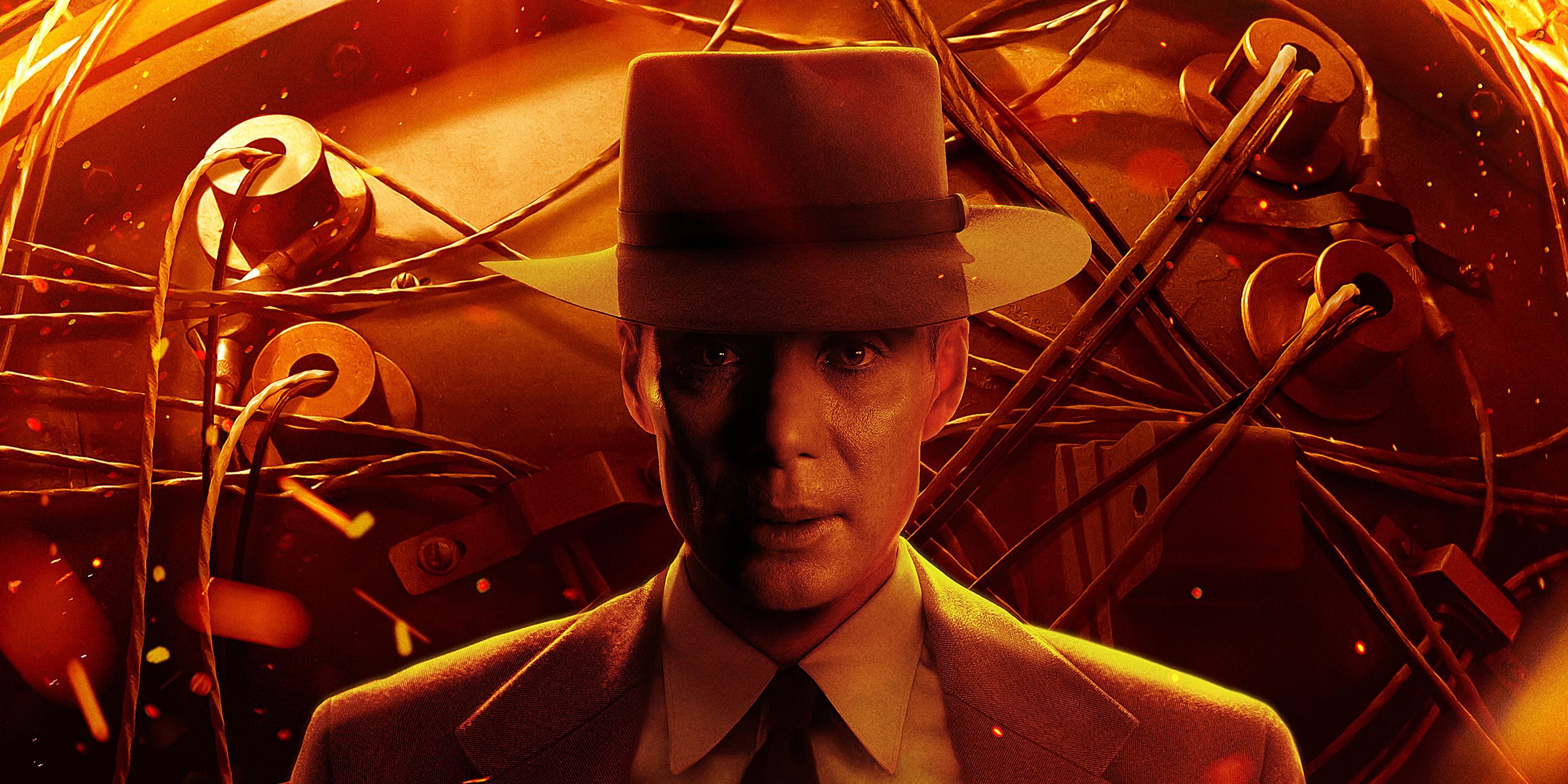
Oppenheimer's Explosive Ending, Explained
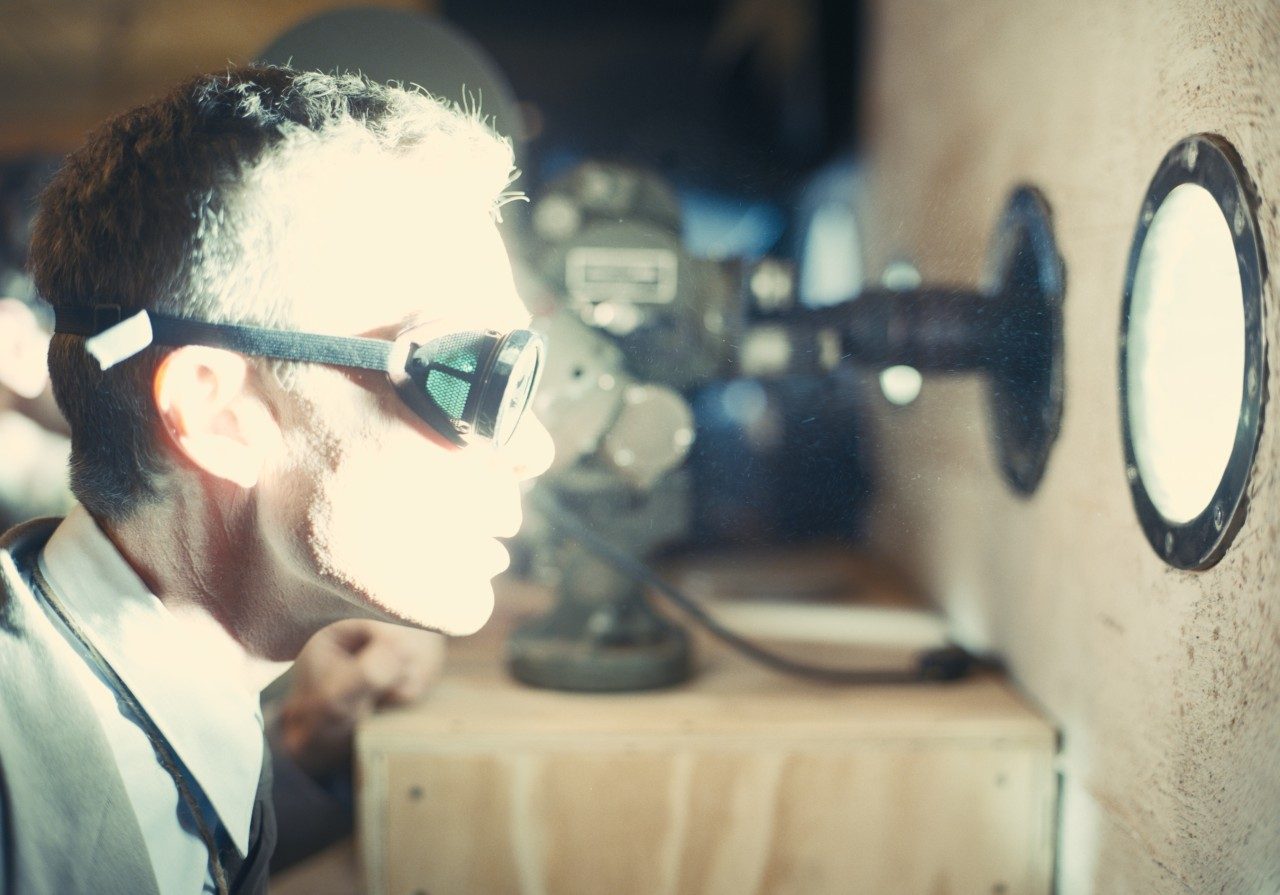
VT physicist: Oppenheimer movie is remarkably accurate | News/Talk 960

"OPPENHEIMER" - Review
