Unpacking The World Of **Baz Luhrmann Films Directed**: A Visual Feast
When you hear the name "Baz," your mind might, you know, go in a few different directions. Maybe you think of a cool online personality, someone who reacts to videos or plays games, giving all the credit to the original creators, which is really fair. Perhaps, too it's almost, a talented baseball pitcher comes to mind, making a big impact on the field. But for film lovers, there's another "Baz" who paints stories on the big screen with truly vibrant colors and powerful sounds. This "Baz" is none other than the visionary director, Baz Luhrmann. His work, you see, consistently draws us into worlds that are larger than life, full of music and grand feelings.
So, we're going to explore the unique collection of films Baz Luhrmann has directed. We'll look at what makes his movies so distinct, how he tells stories that stay with you, and why people keep talking about them. It's about seeing how a director can, in a way, create a whole new kind of movie experience, one that really grabs your attention from the first scene to the very last.
This article aims to give you a good overview of the films Baz Luhrmann has brought to life. We'll talk about his style, the big ideas he often explores, and what makes each of his cinematic creations special. It's a chance to understand the man behind some truly unforgettable movies, and perhaps, you know, find a new favorite to watch.
Table of Contents
- Who is Baz Luhrmann? A Look at the Visionary Director
- The Red Curtain Trilogy: Where It All Began
- Beyond the Trilogy: Epic Stories and Grand Visions
- What Makes a Baz Luhrmann Film So Unique?
- Frequently Asked Questions About Baz Luhrmann Films
- The Enduring Appeal of Baz Luhrmann's Work
Who is Baz Luhrmann? A Look at the Visionary Director
Mark Anthony "Baz" Luhrmann is an Australian film director, writer, and producer. He's really known for his unique visual style, which often features bright colors, quick cuts, and a lot of music. His films, you know, often feel like a big party or a grand opera, full of energy and emotion. He tends to take classic stories or historical events and give them a very modern, sometimes even, you know, anachronistic twist.
His approach to filmmaking is pretty distinct. He doesn't just tell a story; he creates an entire world for you to step into. It's a very immersive experience, often with a theatrical feel that comes from his background in stage work. He's someone who, you know, really pushes the boundaries of what film can be, making movies that are truly unforgettable.
Born in Sydney, Australia, Baz Luhrmann actually started his creative life in theater. This background, in some respects, clearly shapes his cinematic vision, bringing a sense of grand scale and dramatic flair to everything he directs. He's not afraid to be bold, and that's something that really sets his films apart.
Personal Details and Bio Data
| Detail | Information |
|---|---|
| Full Name | Mark Anthony Luhrmann |
| Known As | Baz Luhrmann |
| Born | September 17, 1962 |
| Birthplace | Sydney, New South Wales, Australia |
| Occupation | Film Director, Screenwriter, Producer |
| Spouse | Catherine Martin (m. 1997) |
| Children | Lillian Amanda Luhrmann, William Alexander Luhrmann |
| Signature Style | Maximalist, theatrical, visually rich, music-driven |
The Red Curtain Trilogy: Where It All Began
Baz Luhrmann's early films are often called the "Red Curtain Trilogy." This name comes from his idea of the theatrical stage, where a red curtain goes up to reveal a story. These three movies, in a way, really show off his developing style and his love for big, dramatic tales. They're all about love, passion, and, you know, a bit of tragedy, too.
Each film in this group, you see, has a strong theatrical element. They use music, movement, and very striking visuals to tell their stories. It's almost like watching a play, but on a much grander scale, with all the magic that film can bring. They are, you know, a perfect starting point for anyone wanting to get into his work.
These early works established him as a director with a very clear vision. He wasn't afraid to take risks, and that's something that has, you know, stayed with him throughout his career. The trilogy is a fantastic example of his unique approach to storytelling, blending old and new in very exciting ways.
Strictly Ballroom (1992)
This was Baz Luhrmann's first feature film, and it really introduced his signature style to the world. It's a romantic comedy about ballroom dancing, full of bright costumes, energetic music, and, you know, a lot of passion. The story follows a dancer who wants to break free from strict competition rules and dance his own way.
The film is incredibly lively and, you know, full of heart. It shows how people can find their own path even when traditions try to hold them back. It's a joyful movie, and, you know, it has a very clear message about being true to yourself. You can really feel the energy coming off the screen.
It was a big hit, and for many, it was their first taste of the "Baz effect." The film's success, in some respects, pretty much set the stage for everything that would come next. It showed that his unique vision could connect with a wide audience, which is a rather big deal for a first movie.
Romeo + Juliet (1996)
This film took Shakespeare's classic play and set it in a very modern, violent, and visually stunning world. It stars Leonardo DiCaprio and Claire Danes as the famous lovers, and it's full of guns, fast cars, and, you know, a lot of intense emotion. The language is still Shakespeare's original text, which is, you know, quite a bold choice.
The movie is a whirlwind of images and sounds, very much reflecting the passion and tragedy of the story. It shows how timeless a tale of forbidden love can be, even when, you know, you put it in a completely different setting. It's a rather powerful film that, you know, really makes you feel the characters' desperation.
Many people remember this film for its striking visuals and its modern soundtrack. It was a way to make Shakespeare accessible to a new generation, and it really worked. It's a prime example of Luhrmann's ability to, you know, take something old and make it feel completely new and exciting.
Moulin Rouge! (2001)
This musical spectacular is arguably one of Baz Luhrmann's most famous films. It tells the story of a young writer who falls in love with a courtesan in Paris, set against the backdrop of the famous Moulin Rouge nightclub. It's a very grand, very emotional movie, filled with popular songs from different eras.
The film is a feast for the eyes and ears, with incredibly detailed sets, lavish costumes, and, you know, musical numbers that are just huge. It's a love story that's both beautiful and heartbreaking, full of big dreams and, you know, a bit of sorrow. You really get swept up in the romance and the drama.
It was a huge commercial and critical success, earning many awards and, you know, cementing Luhrmann's reputation as a master of spectacle. It's a movie that, you know, people still talk about and watch again and again, simply because it's such a unique and powerful experience. It's a rather good example of his ability to blend different genres.
Beyond the Trilogy: Epic Stories and Grand Visions
After the "Red Curtain Trilogy," Baz Luhrmann continued to direct films that were just as ambitious, but perhaps, you know, on an even larger scale. These movies often tackle big historical periods or classic literary works, bringing his signature style to truly epic narratives. He still keeps that blend of drama, music, and, you know, stunning visuals.
These later films show a director who isn't afraid to take on huge projects. He brings his unique touch to stories that might, in a way, seem too big for anyone else. It's a testament to his vision that he can make these grand tales feel so personal and, you know, so engaging for the audience.
He continues to push himself, trying new things with each project. It's clear that he enjoys telling stories that, you know, resonate with people on a deep emotional level, no matter the setting or the time period. His work after the trilogy is, you know, just as compelling and visually rich.
Australia (2008)
This epic historical drama is set in northern Australia before World War II. It tells the story of an English aristocrat who inherits a cattle ranch and, you know, forms an unlikely bond with a local stockman. It's a very sweeping film, with vast landscapes and a lot of adventure.
The movie really captures the beauty and harshness of the Australian outback. It deals with themes of love, loss, and, you know, racial prejudice during a very challenging time in history. It's a long film, but it, you know, draws you into its world with its grand scale and emotional depth.
It was a very personal project for Luhrmann, as it's set in his home country. He wanted to tell a story that, you know, felt authentic to the Australian experience, and he did so with his usual flair for the dramatic. It's a film that, you know, really shows his ability to handle a big, sprawling narrative.
The Great Gatsby (2013)
Baz Luhrmann brought F. Scott Fitzgerald's famous novel to the screen with his usual extravagant style. Set in the roaring 1920s, it tells the tragic story of Jay Gatsby and his obsessive love for Daisy Buchanan. The film is full of dazzling parties, jazz music, and, you know, a lot of visual spectacle.
The movie really captures the excess and glamour of the Jazz Age, but it also, you know, highlights the emptiness beneath it all. It's a story about dreams, illusions, and the pursuit of something that might be just out of reach. The visuals are, you know, truly stunning, making the parties feel incredibly real.
This adaptation was, you know, a very bold take on a beloved classic. Luhrmann used modern music and visual effects to create a world that felt both true to the book and completely his own. It's a film that, you know, sparks a lot of discussion, which is always a good sign of a powerful work.
Elvis (2022)
His most recent film tells the story of Elvis Presley, the king of rock and roll, through the eyes of his controversial manager, Colonel Tom Parker. It's a very energetic and emotional look at Elvis's life, his rise to fame, and, you know, his struggles. The film is packed with music and incredible performances.
The movie really brings Elvis's performances to life, making you feel like you're right there in the audience. It explores the relationship between Elvis and Parker, and, you know, the price of fame. It's a very fast-paced film, full of Luhrmann's signature visual flourishes and, you know, a lot of raw emotion.
This film received a lot of praise for its performances and its unique storytelling approach. It shows that Luhrmann can still, you know, bring fresh energy to a well-known story, making it feel exciting and relevant for today's audiences. It's a powerful and rather moving tribute to a music legend.
What Makes a Baz Luhrmann Film So Unique?
There are several things that make a film directed by Baz Luhrmann stand out. First, you know, there's the visual style. He uses very bright colors, intricate sets, and costumes that really pop. It's a very maximalist approach, meaning he fills the screen with a lot of detail and movement, which is, you know, pretty captivating.
Then, there's the music. His films often feature a mix of contemporary and period music, sometimes, you know, even blending them in surprising ways. This creates a very modern feel, even when the story is set in the past. It's a rather effective way to connect with the audience and, you know, add to the emotional impact.
He also has a very theatrical approach to storytelling. This comes from his background in theater, and it means his films often feel like grand stage productions. There's a lot of drama, a lot of emotion, and, you know, characters who express themselves in big, bold ways. It's a rather engaging way to tell a story.
Finally, his films often explore themes of love, passion, and the clash between tradition and modernity. He likes to tell stories about dreamers and outsiders, people who are, you know, trying to find their place in the world. This focus on human connection and emotion is what, you know, truly makes his films resonate with people.
Frequently Asked Questions About Baz Luhrmann Films
What is Baz Luhrmann's signature style?
Baz Luhrmann's signature style is, you know, quite distinctive. It involves a very maximalist visual approach, with vibrant colors, elaborate sets, and quick, energetic editing. He often uses anachronistic music, blending modern songs with historical settings, which is, you know, rather unique. His films also tend to have a strong theatrical feel, full of grand emotions and dramatic flair. It's a style that, you know, really immerses the viewer in the story.
How many films has Baz Luhrmann directed?
As of now, Baz Luhrmann has directed six feature films. These include *Strictly Ballroom*, *Romeo + Juliet*, *Moulin Rouge!*, *Australia*, *The Great Gatsby*, and *Elvis*. Each one, you know, showcases his unique vision and storytelling ability, and they've all made a pretty big impact in their own way. He's also worked on other projects, but these are his main directorial features.
Which Baz Luhrmann movie should I watch first?
If you're new to Baz Luhrmann's work, a good starting point is often *Moulin Rouge!* It's a very clear example of his style, combining music, romance, and, you know, stunning visuals in a really engaging way. If you prefer something a little less musical, *Romeo + Juliet* is also a great choice, showing his ability to reinvent a classic story. Both films, you know, give you a very good sense of what his movies are all about.
The Enduring Appeal of Baz Luhrmann's Work
The films directed by Baz Luhrmann continue to captivate audiences around the world. His unique vision, which blends grand spectacle with deep emotion, ensures that his movies are not just watched but truly experienced. He has a way of making you feel, you know, completely part of the story, no matter how fantastical it might seem.
His work, in a way, reminds us that movies can be more than just entertainment; they can be art that challenges our perceptions and, you know, stirs our souls. He's a director who isn't afraid to take big swings, and that's something that really resonates with film lovers. You can learn more about his influence on cinema by exploring resources like The Criterion Collection.
So, whether you're revisiting an old favorite or discovering one of his films for the very first time, there's always something new to appreciate in the world of Baz Luhrmann. We invite you to explore more about cinematic vision on our site, and perhaps, you know, delve into the stories behind the scenes of these incredible productions. You can also link to this page for more insights into film direction.

Baz Luhrmann Films
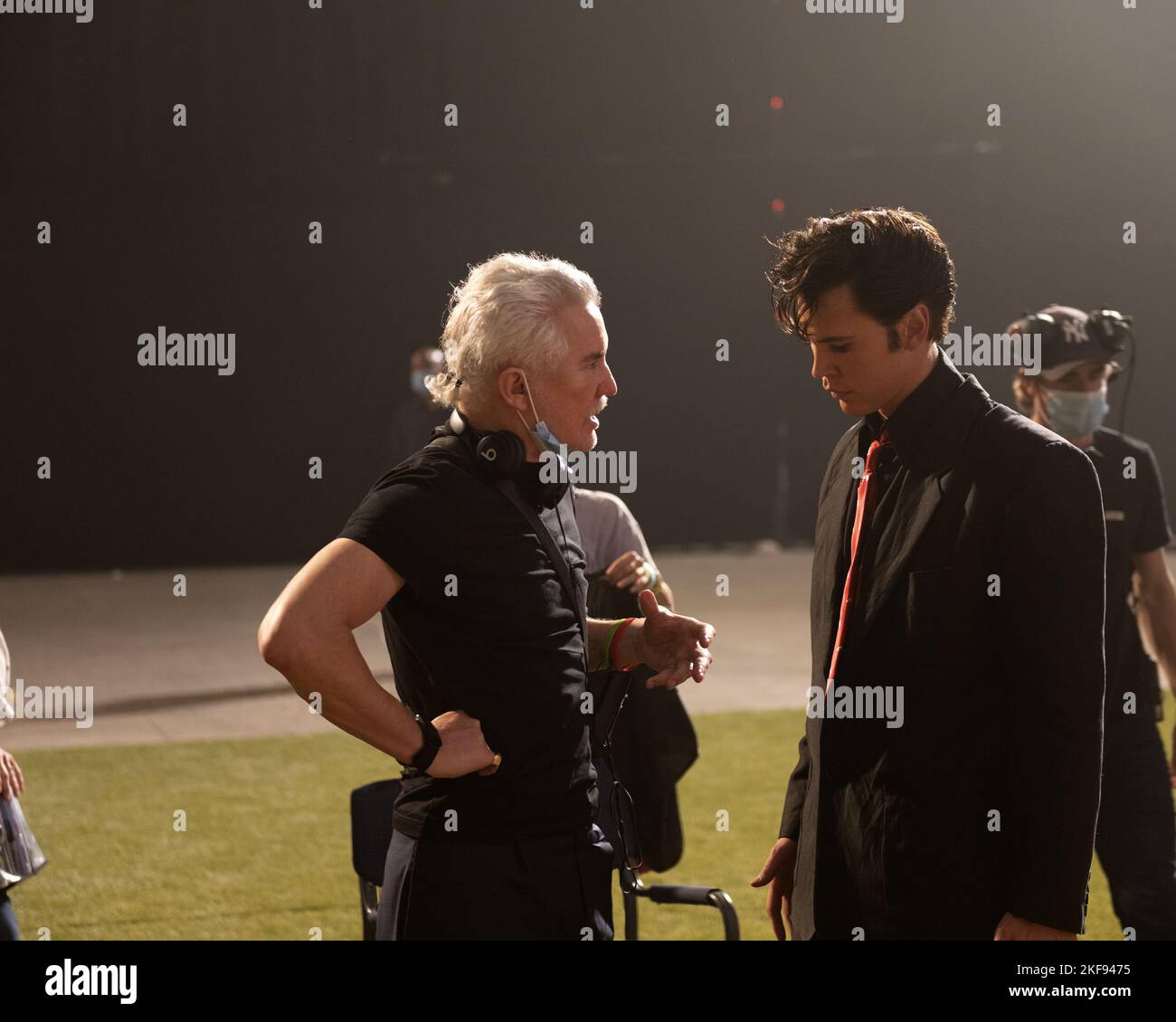
BAZ LUHRMANN and AUSTIN BUTLER in ELVIS (2022), directed by BAZ
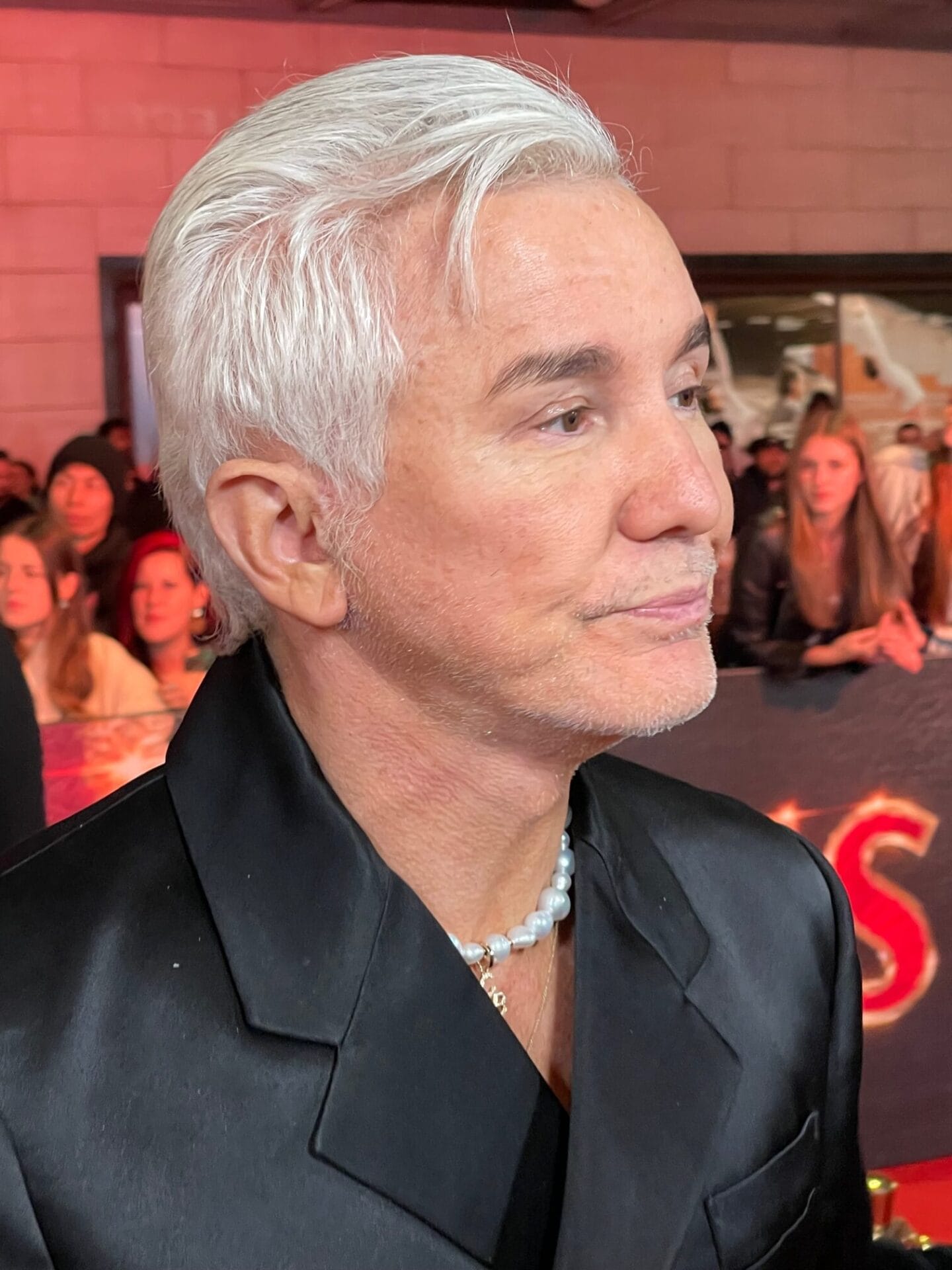
Baz Luhrmann
