Harmony Korine Net Worth: Exploring The Financial Path Of An Unconventional Filmmaker
Many people wonder about the money side of creative lives, especially for those who make truly unique art. It is that, a question that comes up a lot. How does someone who pushes boundaries financially fare? We are often curious about the financial standing of artists whose work might not always fit into typical boxes.
Harmony Korine, as you might know, stands out in the world of film. He creates movies that certainly spark conversation. His vision is very, very distinct, and his films often show life in a raw, unpolished way. People tend to have strong feelings about his work, whether they love it or find it challenging, you know?
This article will look into Harmony Korine's financial journey. We will explore where his money might come from, considering his unique career path. Understanding his net worth involves looking at his many projects and how they fit into the broader creative landscape, in a way.
Table of Contents
- Biography and Personal Details
- Early Life and Artistic Beginnings
- Breakthrough and Independent Film Success
- Ventures Beyond Film
- Factors Influencing His Financial Standing
- Estimating the Net Worth
- Frequently Asked Questions (FAQs)
- Conclusion
Biography and Personal Details
People often want to know more about the person behind the art. Harmony Korine has a background that shaped his particular view of the world, you know? This part gives some basic facts about him. It helps to set the stage for understanding his career.
| Detail | Information |
|---|---|
| Full Name | Harmony Korine |
| Date of Birth | January 4, 1973 |
| Place of Birth | Bolinas, California, United States |
| Occupation | Filmmaker, Screenwriter, Artist, Author |
| Nationality | American |
| Known For | Unconventional films, unique artistic style |
Early Life and Artistic Beginnings
Harmony Korine's path into film began at a very young age. He showed a clear interest in creative expression early on. This was not a typical journey, by the way. His family background, with parents involved in arts and film, certainly played a part. It gave him a direct connection to that world.
He first gained attention as a writer for the film "Kids." This movie came out in 1995. It showed a raw, sometimes shocking, look at teenage life. This early work set a tone for his future projects, which often explore themes that some find uncomfortable. It was a pretty big deal at the time, actually.
His early work established him as a voice that did not shy away from difficult subjects. He seemed to want to show things as they were, without softening the edges. This approach, you know, meant his films were not for everyone. But they definitely got people talking. This early period was about finding his own way, building a foundation for his later, even more distinct, works. He was, in some respects, finding his artistic harmony, even if that harmony was unsettling for some viewers.
The reception to "Kids" was mixed, but it put him on the map. It showed he had a unique perspective. This initial step was crucial for him. It gave him the chance to then direct his own movies. He was just a young person then, but he had a clear vision. That early success, or rather, the attention it brought, opened doors for him to keep making films that were truly his own. He was, like, setting the stage for a career of making art on his own terms.
He developed a reputation for being an outsider, someone who did not follow the usual rules. This reputation, in fact, became part of his brand. It meant that his projects, while not always financially massive, often had a lot of cultural impact. People knew they would get something different when they saw a Harmony Korine film. This early groundwork was essential for his long-term career, allowing him to maintain a distinct voice in a world that often tries to make everything fit a mold.
His creative process from these early days was quite individual. He often worked with friends and people he knew, creating a kind of tight-knit group. This way of working, you know, helped him keep his vision pure. It meant less outside interference. This might not always lead to huge box office numbers, but it does lead to films that feel truly authentic. It's almost like he found his own rhythm, his own kind of creative harmony, right from the start.
Breakthrough and Independent Film Success
After "Kids," Harmony Korine moved into directing his own feature films. His debut as a director was "Gummo." This movie came out in 1997. It was very different from anything else at the time. It explored the lives of young people in a small, struggling town. The film style was unusual, almost like a series of interconnected moments rather than a traditional story. This film, basically, solidified his reputation as an experimental filmmaker.
His films often found their audience in art house cinemas and film festivals. They did not typically aim for wide commercial release. This means that the money they made came from different sources. It was more about critical acclaim and cult following than big ticket sales. For an independent filmmaker, this is often the path. It is a path that offers creative freedom, but perhaps less financial certainty, you know?
Over the years, he continued to make films that challenged viewers. Movies like "Julien Donkey-Boy" and "Mister Lonely" followed. Each one pushed boundaries in its own way. These projects, frankly, helped him build a strong body of work. They showed his consistent vision. This consistent vision is a key part of his artistic identity. It's what people expect from him.
Then came "Spring Breakers" in 2012. This film brought him to a wider audience. It starred some well-known actors. This movie had a bigger budget than his earlier works. It also earned more money at the box office. This was a moment where his unique style met a more mainstream appeal. It was a significant step in his career, in some respects, changing the scale of his projects.
The success of "Spring Breakers" showed that his particular style could reach more people. It proved that his ideas, though unconventional, had a market. This success likely had a positive effect on his financial standing. It gave him more options for future projects. It also made his name known to a lot more people, which is always good for an artist, obviously.
His work has always maintained a certain level of artistic integrity. He tends to make films that he believes in, rather than chasing trends. This approach can be a double-edged sword financially. It might mean fewer huge paydays, but it ensures a long-lasting career based on genuine creative output. It’s about building a legacy, you know, not just making a quick buck. This commitment to his vision is a hallmark of his career.
He has, in a way, found a balance between his artistic demands and the practical needs of making films. This balance, you could say, is a kind of harmony in his professional life. It allows him to keep creating without compromising his unique voice. This is a very important aspect for independent artists who want to maintain control over their work. It's almost like he figured out how to make his art work for him, financially speaking.
Key Films and Their Impact
Let's talk about some of his most notable films and how they made their mark. "Gummo," as we mentioned, really put him on the map as an experimental director. It was a raw, fragmented look at life, and it certainly got people talking. This film, while not a box office hit, was very important for his artistic reputation. It showed he was not afraid to be different, you know?
"Julien Donkey-Boy" followed, pushing the boundaries even further by using the Dogme 95 rules. This meant a very stripped-down, naturalistic style. These films were more about artistic exploration than commercial gain. They were about showing things in a new way. This focus on art over commerce is a common theme in his early work, basically.
Then "Spring Breakers" changed things quite a bit. It was a film that blended his unique style with a more accessible narrative. It had a bigger budget and well-known actors, which helped it reach a much larger audience. This movie was a commercial success compared to his earlier works. It proved that his artistic vision could also appeal to a wider public. It was a pretty big moment for him, in fact.
His films, taken together, create a body of work that is distinct. They often explore themes of alienation, youth culture, and the fringes of society. This consistent focus has built him a loyal following. People who appreciate his work really, really appreciate it. This kind of dedicated audience is valuable for any artist, as a matter of fact.
Each film, in its own way, contributes to his overall standing in the film world. They are not just movies; they are statements. The impact of these films goes beyond their financial returns. They influence other filmmakers and artists. They contribute to the ongoing conversation about what film can be. This kind of cultural impact is hard to put a price on, you know?
The different levels of success for each film also show the varied nature of an independent filmmaker's career. Some films might be critical darlings, others might find a niche audience, and a few might break into the mainstream. This varied experience is part of the journey. It's like a symphony with different movements, some quiet, some loud, but all part of the same composition, creating a unique harmony.
Earnings from Directing and Writing
Figuring out exact earnings for a director and writer like Harmony Korine can be tricky. Filmmakers, especially those in the independent scene, have various ways they get paid. It is not always a straightforward salary, you know? They might get a fee for directing, a fee for writing, and sometimes a share of the film's profits. This profit share can vary a lot.
For his early, very independent films, the fees were likely modest. These projects often operate on tight budgets. The focus is more on getting the film made than on making a lot of money from it. Filmmakers might even put their own money into these projects. This is a common practice in independent cinema, as a matter of fact.
When a film like "Spring Breakers" comes along, things change. A film with a bigger budget means a higher upfront fee for the director and writer. If the film does well, there might be significant backend payments, too. This is where a lot of the money can come from for successful movies. It is a very different financial structure than his earlier works.
He also earns money from the distribution rights of his films. This includes sales to streaming platforms, DVD sales, and international distribution. These deals can bring in steady income over time, especially for films that gain a cult following. It is a bit like a long-term investment, you know, where the film keeps earning money years after its release.
His writing credits, like for "Kids," also provide income. Screenwriters earn fees for their scripts. If the film is successful, they might also get bonuses or residuals. This is another important stream of income for him. It shows that his skills as a writer are just as valuable as his skills as a director, basically.
It's important to remember that these earnings are not just for one year. They build up over a career. A director's overall financial picture is a sum of all these different projects and their various income streams. So, while one film might not make a huge amount, a collection of films over many years can add up to a substantial sum. It's a continuous flow, you know, a kind of financial harmony that grows over time.
Ventures Beyond Film
Harmony Korine is not just a filmmaker. He is an artist in a broader sense. His creative work extends into many other areas. This diversification is a common trait among people with a strong artistic drive. It also means he has multiple ways to earn money, you know? It's not all just about movies.
He has worked in photography, painting, and even fashion. These different creative outlets allow him to express himself in new ways. They also open up different income streams. For example, selling art pieces or collaborating on art projects can bring in money. This broad approach to art is part of what makes him unique, basically.
His art often carries the same themes and style as his films. It is a consistent artistic voice across different mediums. This consistency helps build his brand as an artist. People who like his films might also be interested in his paintings or photographs. This cross-pollination of his work is pretty smart, as a matter of fact.
These ventures beyond film also show his willingness to experiment. He is not afraid to try new things or work in different fields. This adventurous spirit is a hallmark of his career. It keeps his work fresh and interesting. It also means he is always finding new ways to connect with an audience, or new ways to create, you know?
The money from these other ventures can be less predictable than film earnings. Art sales can vary a lot. But they add another layer to his overall financial picture. They provide a kind of creative freedom, too. He can pursue projects he truly cares about, even if they are not big money-makers. It's about having options, you know, and keeping the creative juices flowing. This variety helps maintain a kind of professional harmony.
Art, Photography, and Other Creative Pursuits
Harmony Korine's artistic journey goes well beyond the silver screen. He has a significant presence in the art world. He paints, he takes photographs, and he creates other types of visual art. These works are often shown in galleries. They are sometimes sold to collectors, which brings in income. This is a very different kind of market than film, but it's important for him.
His paintings often have a raw, almost childlike quality. They sometimes feature characters or themes similar to those in his films. This consistent style makes his art recognizable. People who follow his film work might also be interested in his visual art. This connection helps his art reach a wider audience than it might otherwise, you know?
Photography is another area where he has made a mark. He has published books of his photographs. These books document his unique view of the world. Selling books and prints also adds to his earnings. It is a way to share his vision in a more direct, tangible form. This is a very personal kind of art, in fact.
He has also engaged in performance art and other conceptual projects. These might not always be about direct financial gain. Sometimes they are about pushing ideas and exploring new forms of expression. But even these projects can raise his profile. They can lead to other opportunities, like commissions or collaborations. It's all part of building a diverse creative portfolio, basically.
These various creative pursuits show that he is a true artist, always creating. They are not just side hobbies; they are integral parts of his overall output. The income from these ventures might not be as large as from a successful film, but it is steady. It helps to round out his financial picture. It provides a kind of stability, a different kind of harmony in his work life.
The art market can be very different from the film market. It relies on collectors and gallery sales. But for an artist with a strong name like Harmony Korine, there is a consistent demand for his work. This demand helps ensure a steady flow of income from his non-film projects. It's a testament to his broad appeal as a creative force.
Brand Collaborations and Endorsements
In recent years, it has become more common for artists to work with brands. Harmony Korine has also engaged in some brand collaborations.
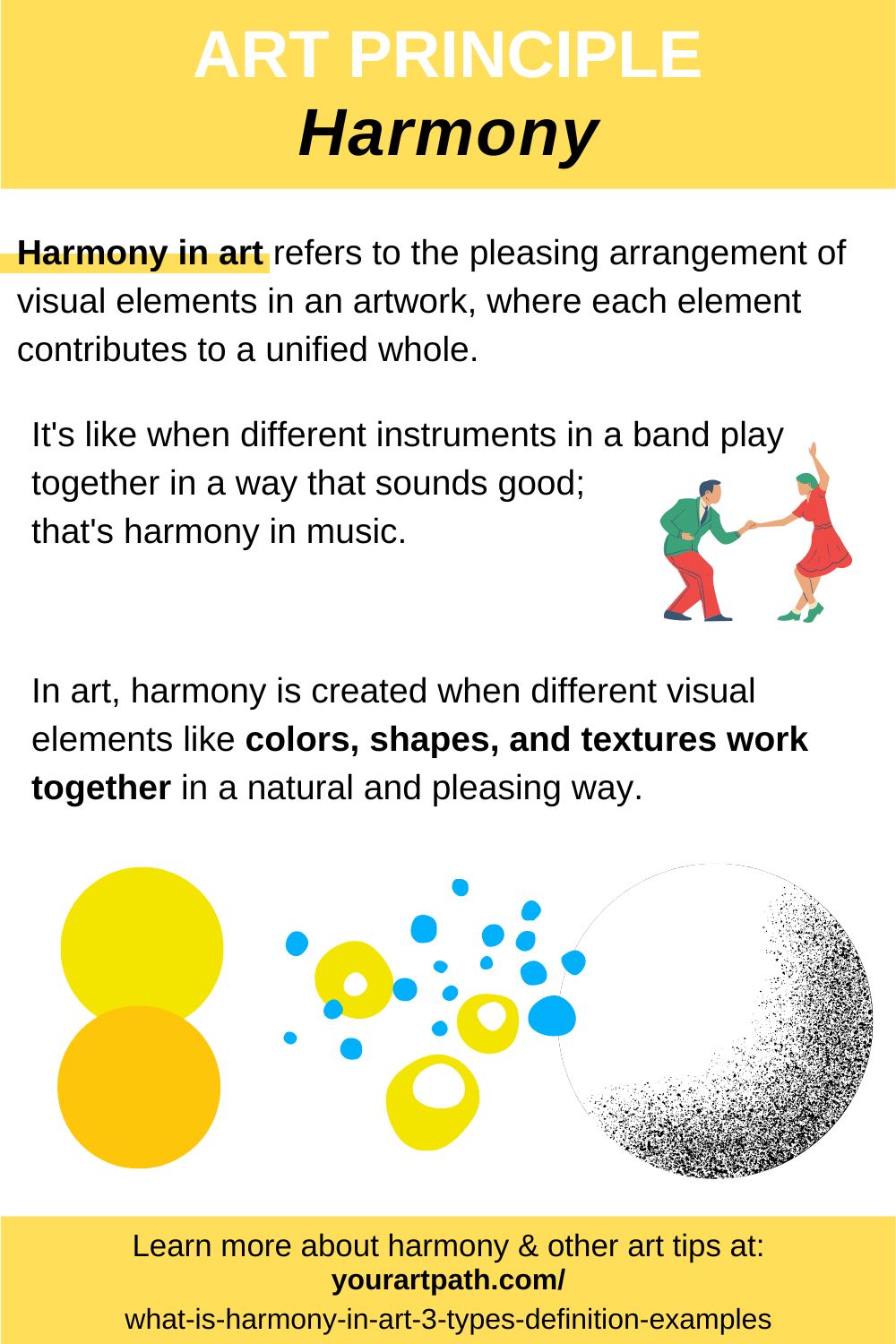
What is Harmony in Art? 3 Types, Definition, Examples - YourArtPath

Harmony In Artwork

20 Symbols of Harmony
