Unpacking Lil Wayne's 'A Milli': The Enduring Beat Of A Hip-Hop Classic
When you think about songs that just grab you and refuse to let go, you know, the ones that define an era, Lil Wayne's "A Milli" definitely comes to mind. It's almost more than just a song; it's a moment, a declaration, and for so many, it really set a new standard for lyrical prowess in rap. This track, honestly, just hit different when it first dropped, and its energy, well, it's still pretty much unmatched even today.
Released back in 2008 on his monumental album, *Tha Carter III*, "A Milli" quickly became an anthem. It's a prime example of how a simple, yet powerful, beat can become the perfect canvas for a rapper to just, like, completely showcase their verbal gymnastics. People everywhere, from casual listeners to serious hip-hop heads, found themselves drawn into its hypnotic rhythm and Wayne's relentless flow, which, you know, just keeps going and going.
We're going to take a closer look at what makes "A Milli" such a special piece of music, exploring its background, its lasting impact, and how it really cemented Lil Wayne's place as one of the most important voices in music. We'll also consider, you know, the whole "Lil" phenomenon in rap names, drawing a bit from the history and cultural meaning of that very prefix.
Table of Contents
- About Lil Wayne: The Man Behind the Music
- The Making of 'A Milli': A Beat, a Vision
- Lyrical Firepower: Wayne's Wordplay on 'A Milli'
- Cultural Echoes: 'A Milli's' Lasting Impact
- The 'Lil' Phenomenon in Hip-Hop Names
- Wayne's Enduring Legacy Beyond 'A Milli'
- Frequently Asked Questions About 'A Milli' and Lil Wayne
- Still Feeling the Beat of 'A Milli'
About Lil Wayne: The Man Behind the Music
Dwayne Carter Jr., better known as Lil Wayne, is, you know, a truly iconic figure in the world of hip-hop. His journey from a young artist in New Orleans to a global superstar is, quite frankly, a story of immense talent and a lot of hard work. He started his career at a very young age, signing with Cash Money Records when he was just nine years old, which is pretty wild if you think about it.
Over the years, he developed a distinctive style that mixed complex wordplay with a unique vocal delivery. He's often been praised for his ability to craft, you know, what some might call "poetic sentences" in his rhymes, really showing a depth that goes beyond simple storytelling. His influence on a whole generation of rappers is, essentially, undeniable, and his discography is, honestly, just packed with hits and critically acclaimed albums.
Personal Details and Bio Data of Lil Wayne
| Detail | Information |
|---|---|
| Full Name | Dwayne Michael Carter Jr. |
| Born | September 27, 1982 |
| Birthplace | New Orleans, Louisiana, U.S. |
| Also Known As | Weezy, Tunechi |
| Occupations | Rapper, singer, songwriter, record executive |
| Years Active | 1995–present |
| Labels | Young Money, Republic, Cash Money (formerly) |
| Notable Albums | Tha Carter III, Tha Carter II, Tha Carter IV |
| Grammy Awards | 5 (as of current date) |
The Making of 'A Milli': A Beat, a Vision
"A Milli" is a song that, in a way, broke the mold. Its production, handled by Bangladesh, is remarkably sparse, yet very effective. It features a simple, looping beat with a heavy bassline and minimal instrumentation. This stripped-down approach was, you know, quite a bold choice, especially for a lead single from such a highly anticipated album. It really put all the focus squarely on Lil Wayne's voice and his ability to just fill that space with his words.
The story goes that Wayne heard the beat and just, well, started freestyling. There's no traditional chorus or hook in "A Milli," which is, quite frankly, a pretty unusual move for a mainstream rap song. Instead, the entire track is essentially one long, continuous verse, broken only by the repeated sample of "A Milli" itself. This structure, or lack thereof, really showcases Wayne's incredible stamina and his knack for staying engaging without relying on typical song formulas. It's almost like a pure display of raw rapping talent, and that's why, you know, it just resonates so much.
Lyrical Firepower: Wayne's Wordplay on 'A Milli'
What truly elevates "A Milli" is, obviously, Lil Wayne's lyrical performance. He delivers a torrent of punchlines, metaphors, and clever boasts, all with a swagger that's, like, completely infectious. His flow is incredibly intricate, shifting speeds and cadences with what seems like effortless precision. He manages to pack so many ideas and images into each line, and you know, it's pretty impressive how he keeps it all coherent while sounding so spontaneous.
The song is a masterclass in word association and internal rhyme, where Wayne plays with sounds and meanings in a very playful, yet very sharp, way. He's known for, you know, dropping those "poetic sentences" that just stick with you, and "A Milli" is absolutely full of them. It's a testament to his verbal dexterity, showing how he can take a simple concept and just, basically, spin it into a complex web of brilliant rhymes. Some might even say, you know, his ability to "murder" a beat with his words is on full display here, much like his performance in "No Love" where some felt he really went toe-to-toe with other lyrical giants.
Cultural Echoes: 'A Milli's' Lasting Impact
When "A Milli" came out, it wasn't just a hit song; it was, in a way, a cultural phenomenon. Rappers everywhere started, you know, trying their hand at freestyling over the beat, leading to countless remixes and unofficial versions. This track really became a benchmark for lyrical skill, challenging artists to step up their game and deliver verses that could stand alongside Wayne's. It basically solidified his position as one of the most influential artists of his time, and you know, it's still widely recognized as a classic.
The song's impact also stretched beyond just music. Its raw energy and confident vibe made it a staple in sports arenas, commercials, and, like, just about any place where you needed a burst of pure, unadulterated hype. Even years later, the opening few seconds of "A Milli" can, essentially, get a crowd going, which is pretty remarkable for any piece of music. It’s a track that, honestly, just keeps giving, maintaining its relevance long after its initial release.
The 'Lil' Phenomenon in Hip-Hop Names
Speaking of Lil Wayne, it's pretty interesting to think about the "Lil" prefix itself, isn't it? You see it everywhere in hip-hop, with artists like Lil Uzi Vert, Lil Yachty, and Lil Baby, to name just a few. So, you know, what's the deal with "Lil"?
Apparently, the word "lil" is just a short form of "little," often spelled with an apostrophe as "lil'" or "li'l." In, like, comics or animation, it can even refer to a specific drawing style where characters look chubby and childlike. But in the context of hip-hop, it's a bit different. Historically, "lil" was, essentially, a direct, intimate way Black communities would refer to someone, kind of like how in some cultures you might call a friend "小李" or "小张" – like "Little Li" or "Little Zhang" in a friendly, familiar sense. It's not really about being small in stature, you know, but more about a closeness, a bond.
Hip-hop, having its roots in Black street culture, naturally adopted this naming convention. So, many early rappers just kept their "lil xxx" names, and it kind of became a standard prefix for a rapper's stage name. It's pretty fascinating, too, because there was a time, back in the '80s and '90s, when rappers often wanted to project a huge image, so you'd see names like BIG L or BIG Suge. But then, you know, the trend shifted, and "Lil" became incredibly popular, almost suggesting a different kind of strength or authenticity.
It's not really about being "small" in the literal sense, as some might think. For example, if you were to translate "Lil xx" directly into, say, a Chinese context as "小xx" (Little xx), it might sound, well, a bit silly, especially when paired with lyrics about gold chains and fancy cars. Instead, it's more like that "子" character in names like "强子" (Qiangzi) or "壮子" (Zhuangzi), which just adds a familiar, almost endearing, touch. It's a way of saying, "This is me, you know, in a relatable, authentic way." So, it's pretty much a cultural marker, a nod to the origins and community of hip-hop, and that's why, you know, it just feels right for so many artists.
Wayne's Enduring Legacy Beyond 'A Milli'
While "A Milli" is undoubtedly a highlight, Lil Wayne's career is, like, so much more than just one song. He's been incredibly prolific, releasing a vast amount of music, from official albums to mixtapes, consistently pushing the boundaries of what rap could sound like. His influence extends to his role as a record executive, too, having nurtured the careers of other major artists through his Young Money Entertainment label, which is pretty significant.
He has a unique ability to, you know, adapt and stay relevant, constantly experimenting with his sound and collaborating with artists from various genres. His lyrical depth and unpredictable flow have, essentially, kept fans engaged for decades. Even when discussing other tracks, like "No Love," it's clear that his verbal artistry is, honestly, just top-tier, with some feeling he truly delivered a verse that could stand up to anyone's. He's a true innovator, and his body of work continues to shape the landscape of popular music, which is, you know, a pretty big deal.
If you're interested in learning more about how artists like Lil Wayne build their careers and influence the music scene, you can learn more about artist development on our site. It's a fascinating topic, really.
Frequently Asked Questions About 'A Milli' and Lil Wayne
What is the meaning behind the song "A Milli"?
"A Milli" is essentially a boastful track where Lil Wayne showcases his lyrical skill and confidence. The title, you know, is short for "a million," referring to a million dollars, and the song is full of lines about wealth, success, and his unmatched talent. It's, basically, a pure display of rap bravado, and that's why, you know, it just hits so hard.
Why is "A Milli" considered so iconic?
The song's iconic status comes from its unique production, which is very minimal, putting all the focus on Lil Wayne's raw, continuous lyrical performance. It has no traditional hook, which was, like, pretty revolutionary for a mainstream hit. Its influence on other rappers, who then tried to freestyle over the beat, also cemented its place as a classic, you know, really setting a new standard for rap verses.
How did Lil Wayne get the nickname "Lil Wayne"?
Lil Wayne, born Dwayne Carter Jr., adopted the "Lil" prefix as a stage name, a common practice in hip-hop, particularly among artists from, you know, the South. The "Lil" prefix often signifies a younger artist or, as we discussed, can be a term of endearment or familiarity within the culture, rather than a literal reference to size. He's, essentially, been known by this name since the very start of his career, which is pretty much his identity.
Still Feeling the Beat of 'A Milli'
As we've seen, Lil Wayne's "A Milli" is, honestly, much more than just a track; it's a testament to raw talent and innovation in hip-hop. Its stripped-down beat and Wayne's relentless, intricate rhymes created something truly special that, you know, continues to resonate with listeners today. It really showed the world what he was capable of, cementing his status as a lyrical powerhouse.
The song's cultural footprint is undeniable, influencing countless artists and becoming a staple in, like, pretty much every hip-hop fan's playlist. It's a perfect example of how an artist can take a simple concept and, essentially, turn it into a timeless piece of art. If you haven't listened to "A Milli" in a while, or, you know, if you're new to it, now's a great time to revisit this absolute classic and experience its pure, unadulterated energy for yourself. You can find out more about the song's production and impact on its Wikipedia page, which is pretty informative. And to explore more of his incredible discography, you can always check out more of Lil Wayne's music on this very site.

Lil Wayne - Age, Songs & Albums - Biography
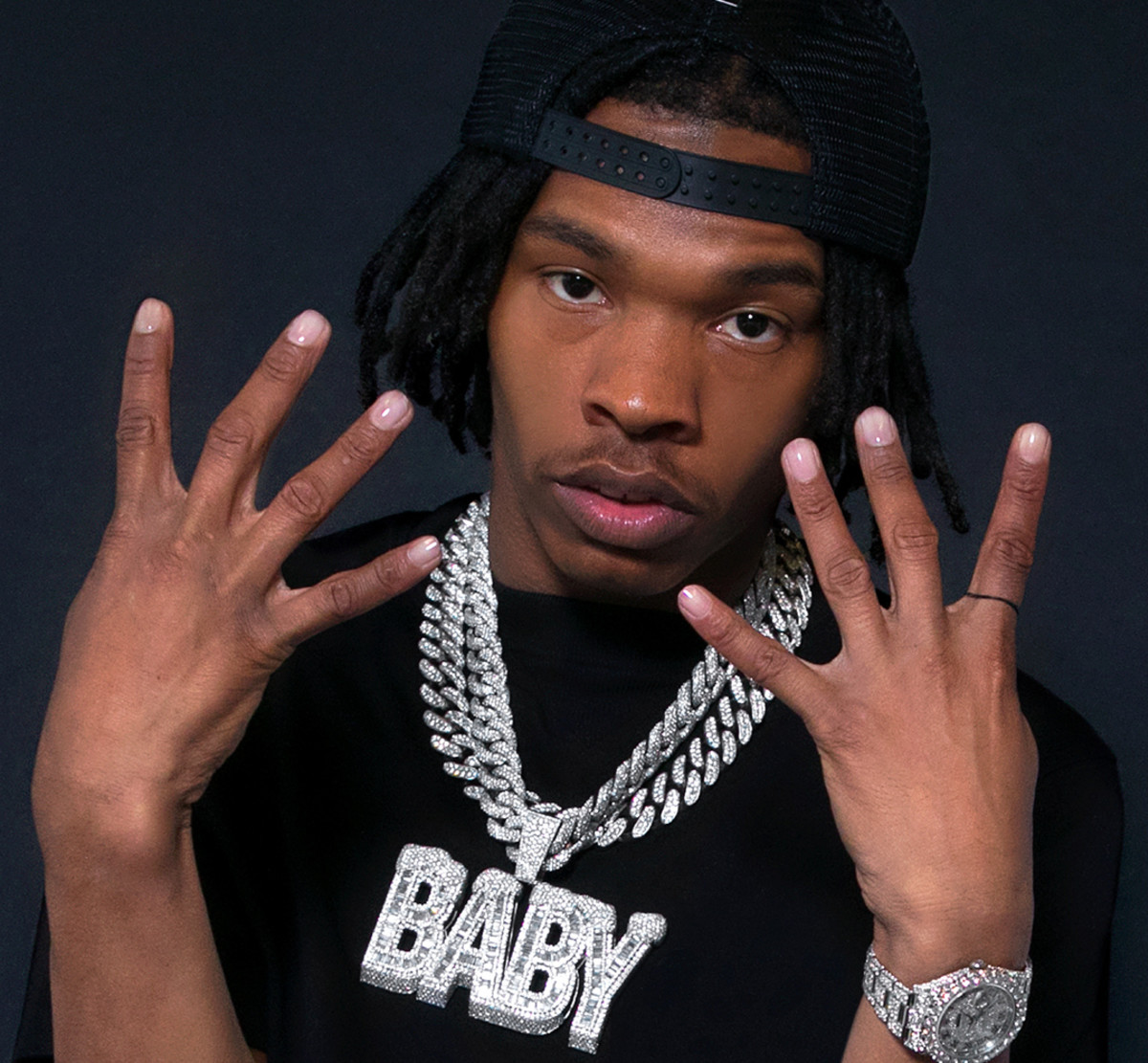
Lil Baby Announces Upcoming 2021 Tour With Special Guest Lil Durk | Complex
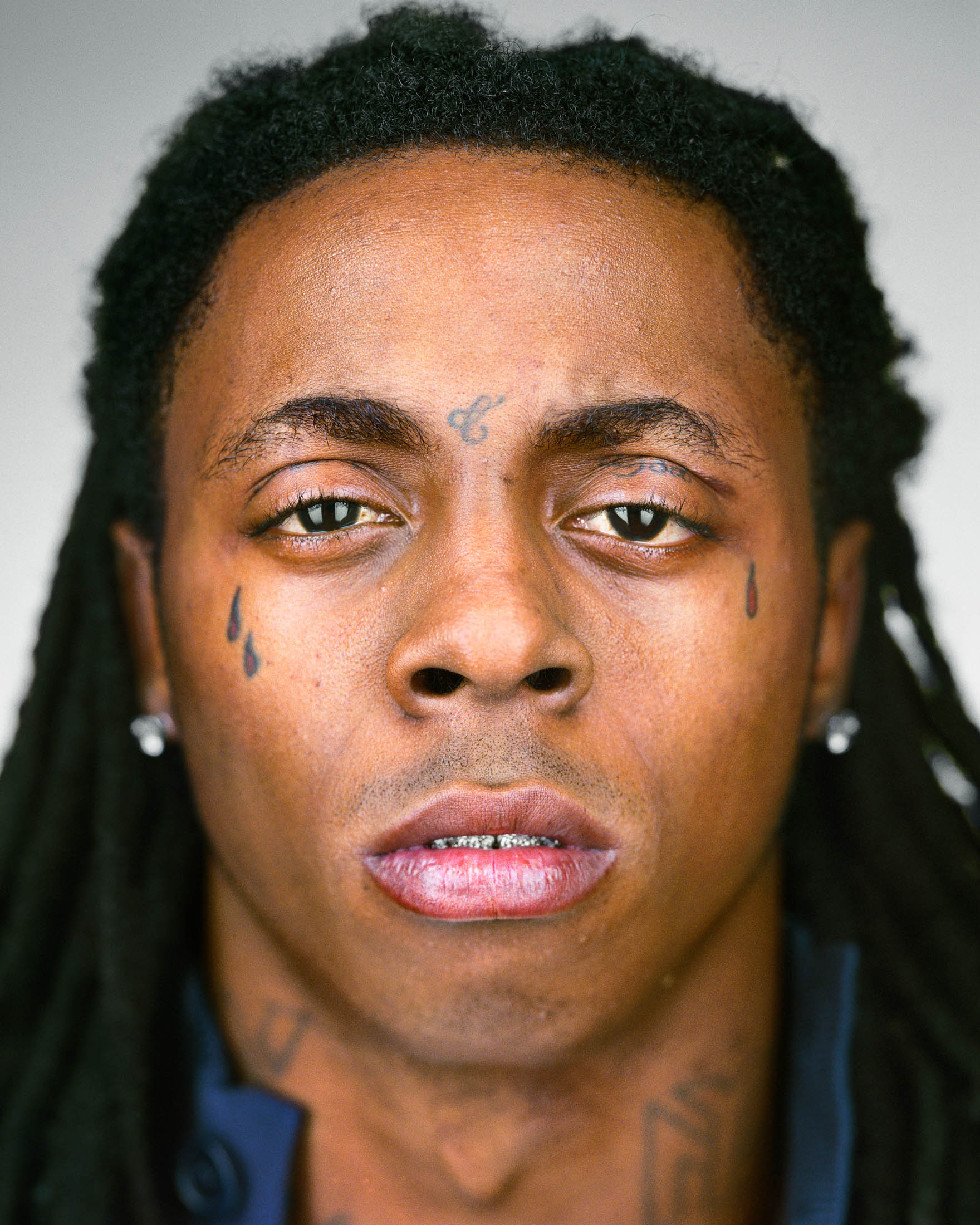
Lil Wayne Faces
